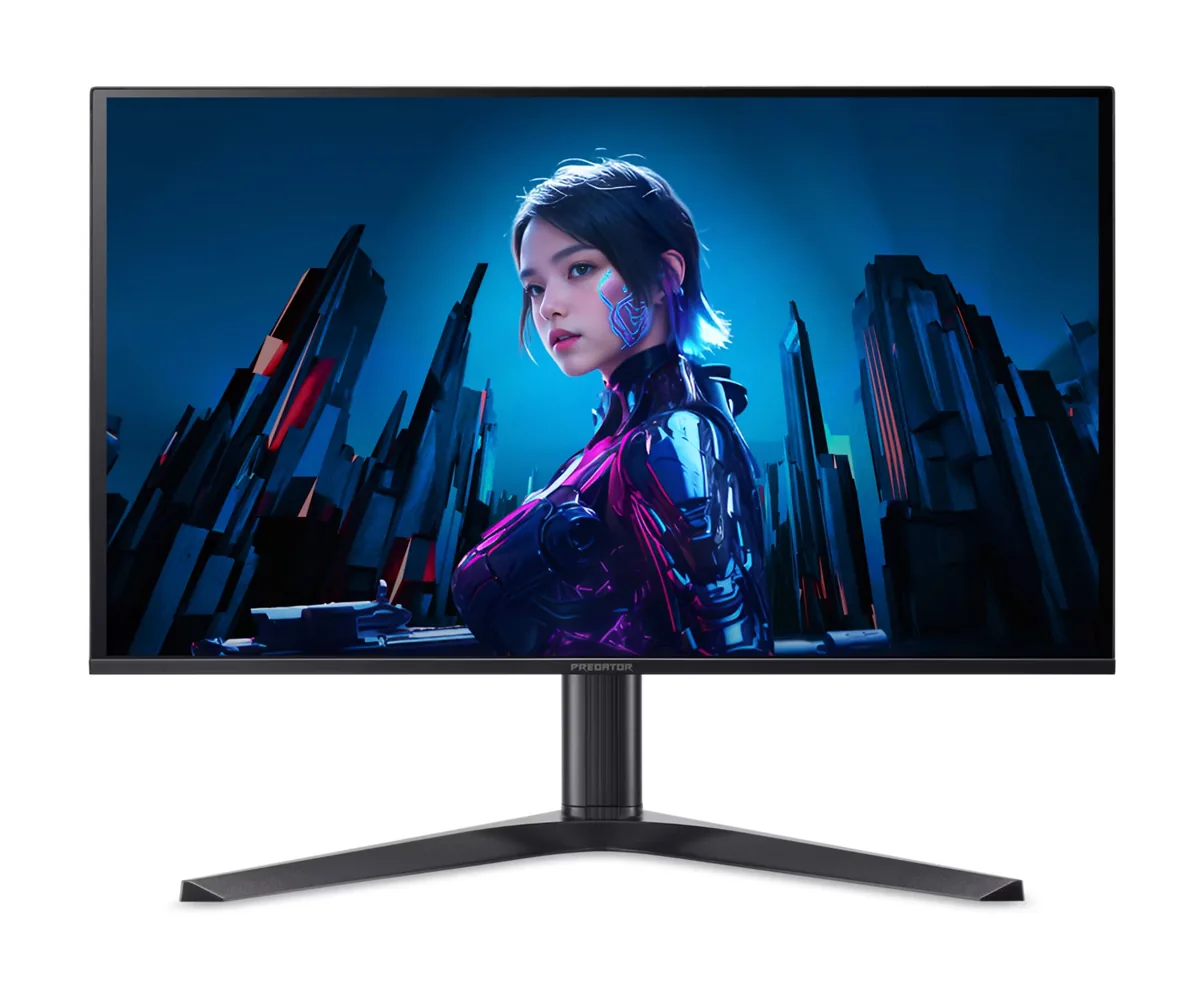
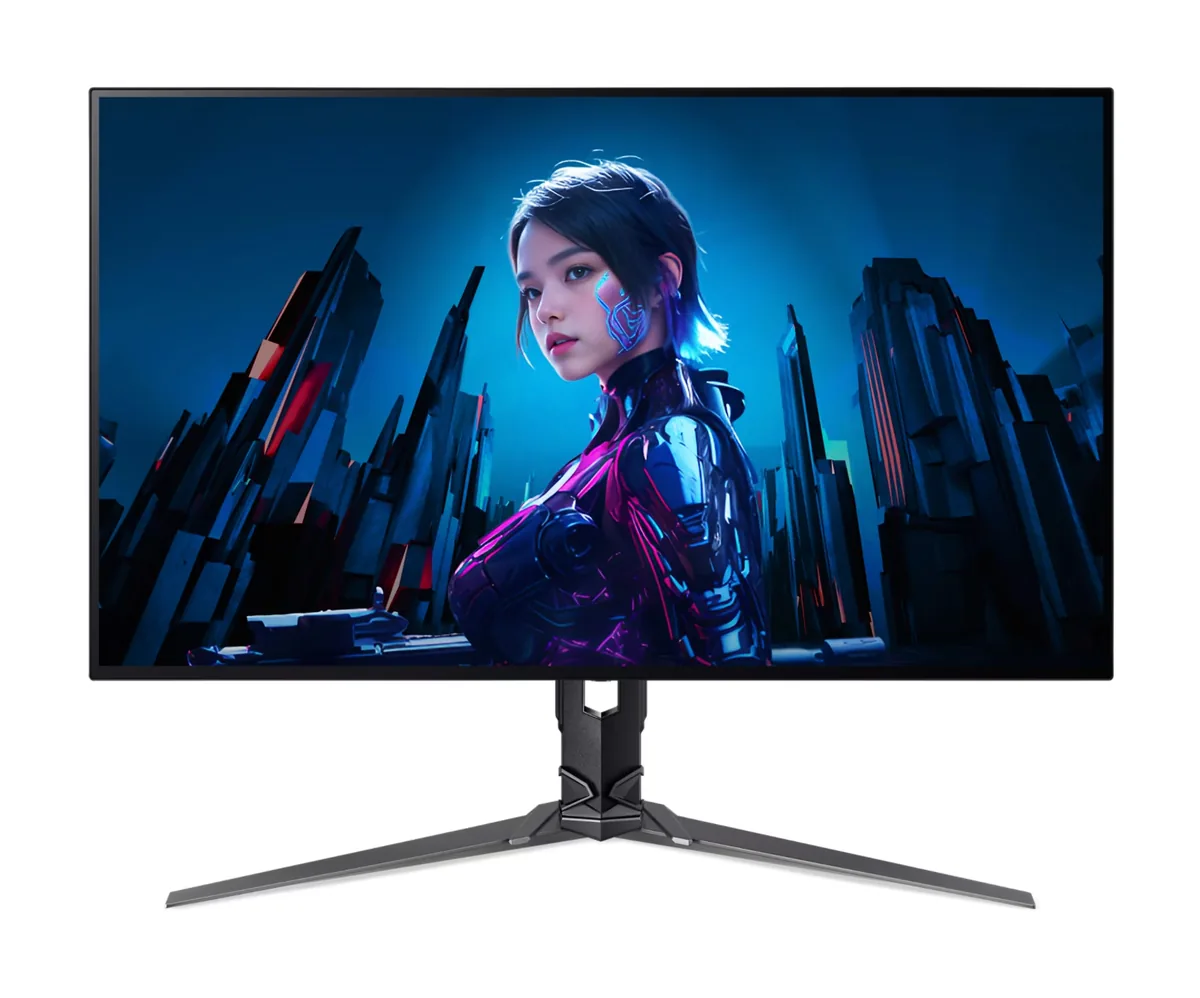
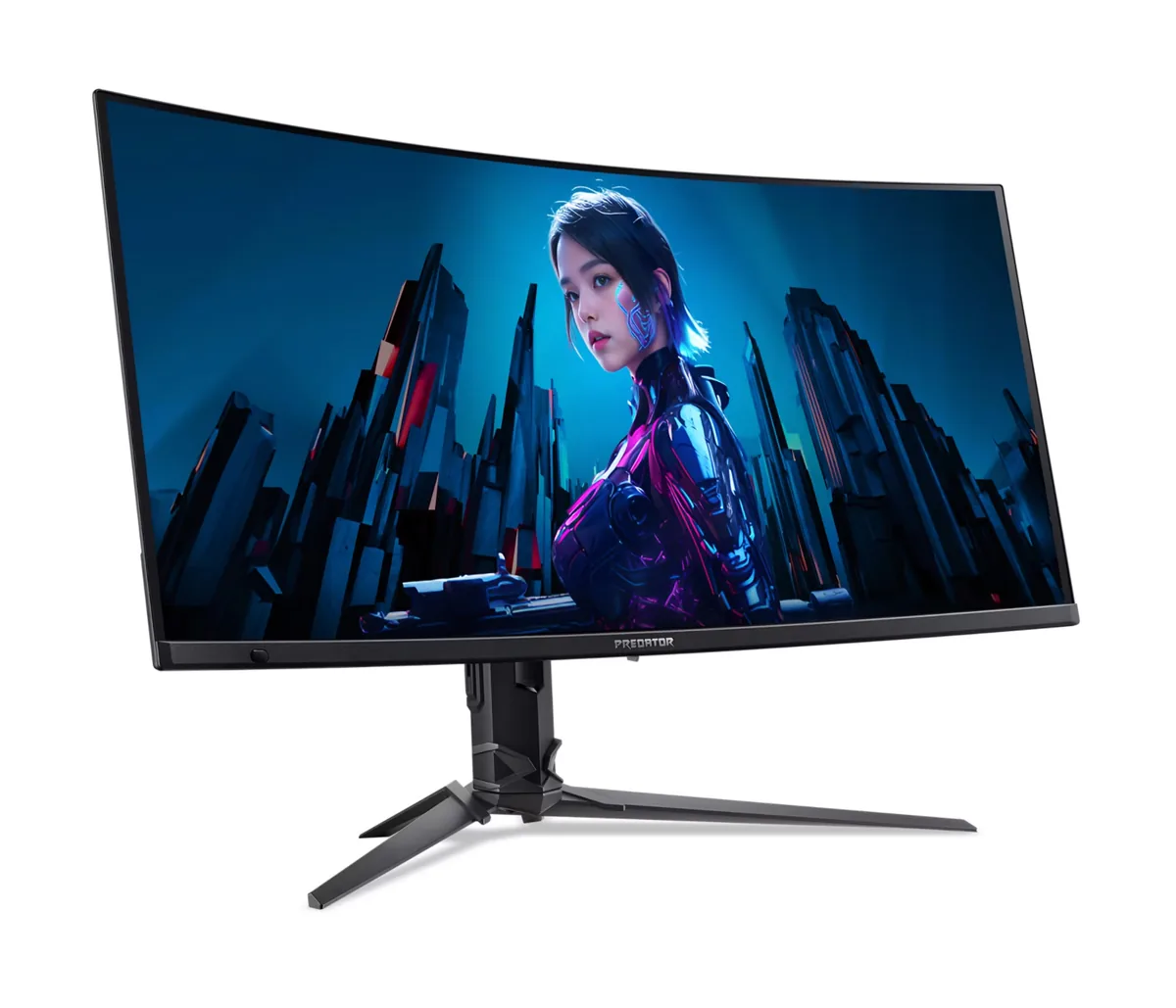
Refresh rate per dollar is the whole pitch. Getting a 500 Hz QD-OLED for the money 360 Hz usually costs pulled in a wave of competitive players from IPS panels, and in markets where it discounted hard — one owner found it for 550 euros in Finland — it undercut everything else on its shortlist by a wide margin.
Whether that is a good deal depends heavily on the room. The people happiest with it game in the dark, where the glossy coating gives exactly the contrast OLED is bought for. The sharpest criticism came from an owner who switched from a matte WOLED and found that even a dim room with one distant window raised the blacks enough to spoil daytime use. That is a coating trade-off rather than a defect, but it decides the purchase. The other split is text: one owner does video editing on it without complaint, another traced new eye strain to it, and both accounts are credible.
The most sobering reports come from owners arriving from 240 Hz. More than one said the jump was far smaller than expected, colours only marginally better after calibration, and motion barely distinguishable — one was heading for a return. Coming from 165 or 300 Hz IPS the verdict flips positive. Worth knowing before you buy: Acer's model code is long enough that reviewers largely ignored this monitor, so there is very little independent measurement to check anything against, and the buyers who liked it most were the ones who went in treating it as a fast panel first and a picture upgrade second.