Every OLED Monitor Here, Ranked by How Long Burn-In Is Covered
Burn-in is the one failure mode that separates an OLED from every other panel, and it is also the one most likely to be excluded from the warranty that would otherwise cover it. A three-year panel warranty with an image-retention exclusion is not burn-in cover, so the figure ranked here is only the cover that names it — and the ranking has three kinds of row, not one. Most makers here name burn-in for two or three years. Some publish a warranty that covers it without saying for how long, which is shown as not published rather than counted as three. And at least one publishes a panel warranty that never mentions burn-in at all, which is a zero, not a gap in our research.
How this list is ordered: Ordered by the number of years the maker's warranty explicitly covers burn-in, then by price inside each tier. 28 of the catalog’s monitors qualify. 3 of them are no longer listed by their maker in the US — Samsung Odyssey OLED G8 G80SD, Samsung Odyssey OLED G6 G60SD, Samsung Odyssey OLED G9 G95SC — so this list includes models you cannot currently buy new.
- KTCG27P626.5″ · 2560×1440
1KTC
~$590KTC G27P6
Same LG Display WOLED panel as the far pricier 27-inch OLEDs of its generation, and it measures accordingly: TFTCentral recorded 904 nits of HDR peak against KTC's 1,000-nit spec, and 209 nits on a full white screen once the brightness limiter settles.
- Burn-in covered
- 3 years
- Panel
- 26.5″ WOLED
- HDR
- Real HDR
2ASUS
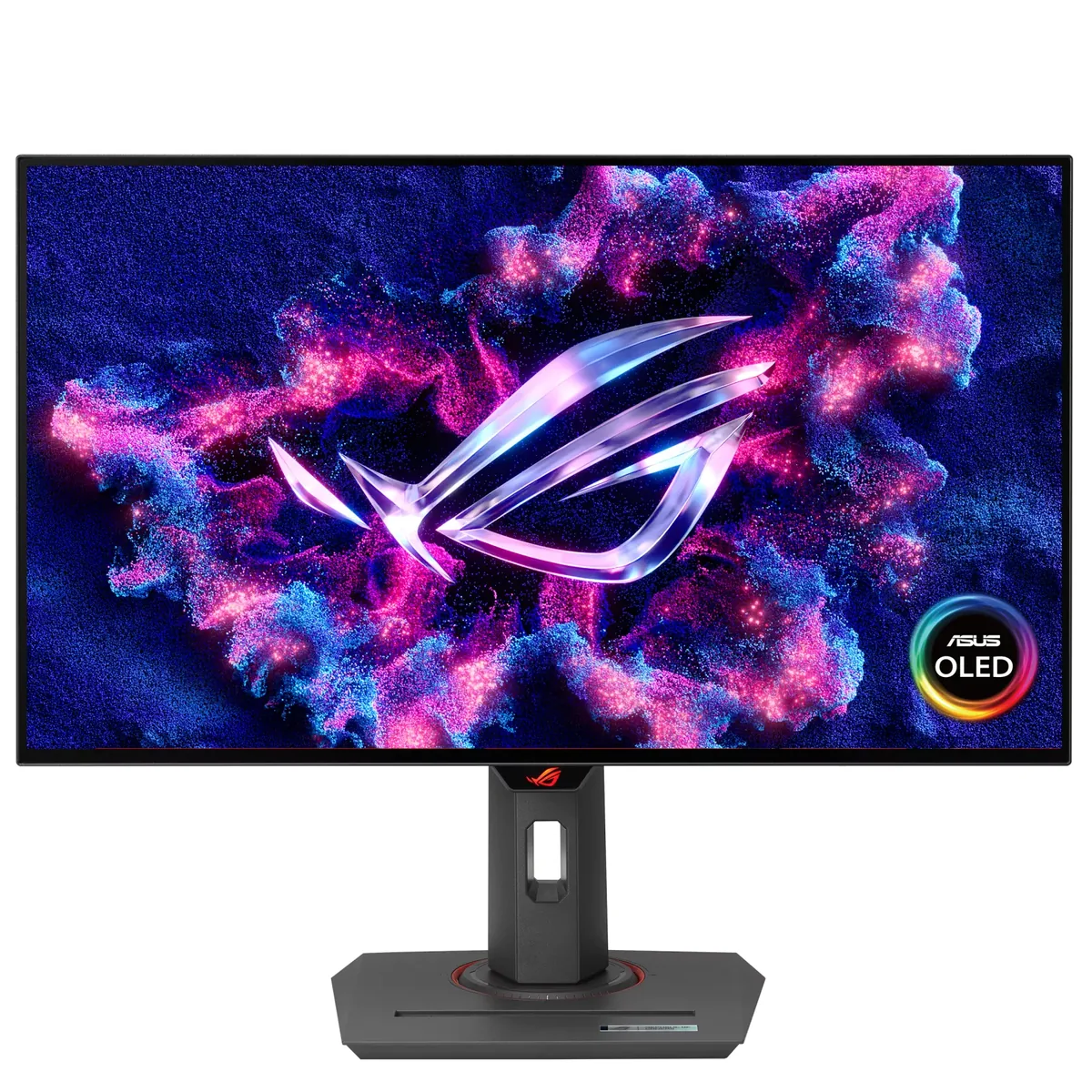
~$599ASUS ROG Strix XG27AQDMG
Same 26.5-inch 1440p size and 240 Hz refresh as the PG27AQDM, but a newer panel generation behind it: ASUS claims 1,300 nits peak against the older model's 1,000, and three years of burn-in cover against two.
- Burn-in covered
- 3 years
- Panel
- 26.5″ WOLED
- HDR
- Real HDR
3MSI
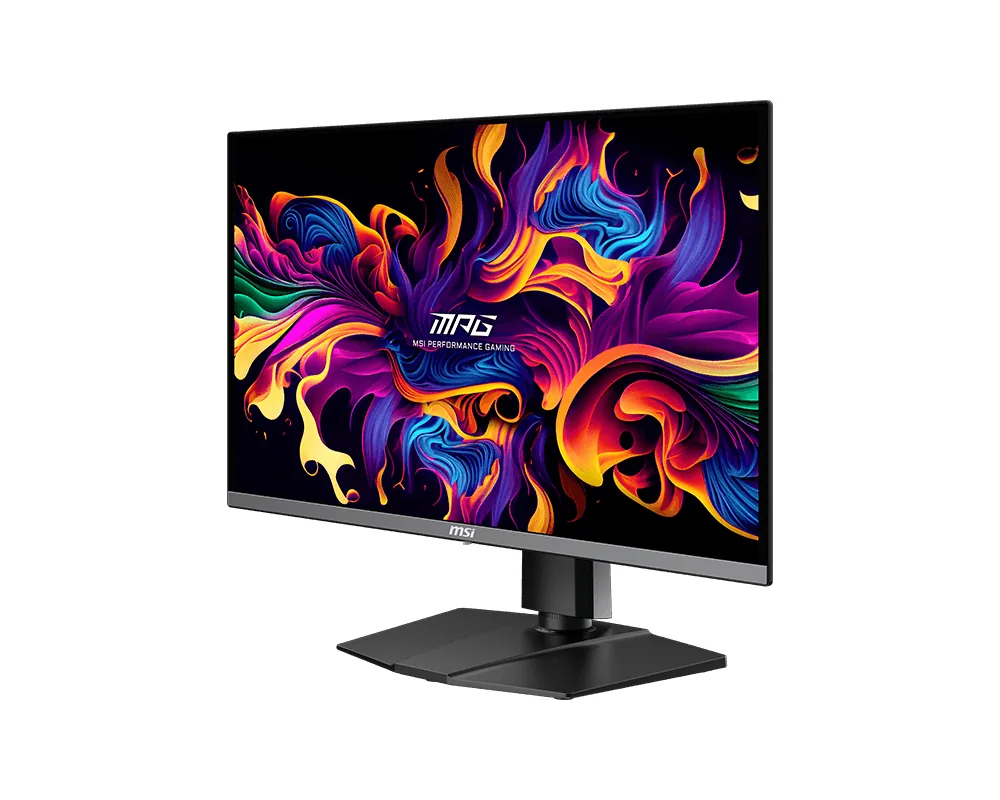
~$630MSI MPG 271QRX QD-OLED
Ninety watts of USB-C, a KVM and a 360 Hz QD-OLED panel add up to a gaming monitor that also replaces a docking station.
- Burn-in covered
- 3 years
- Panel
- 26.5″ QD-OLED
- HDR
- Real HDR
4Alienware
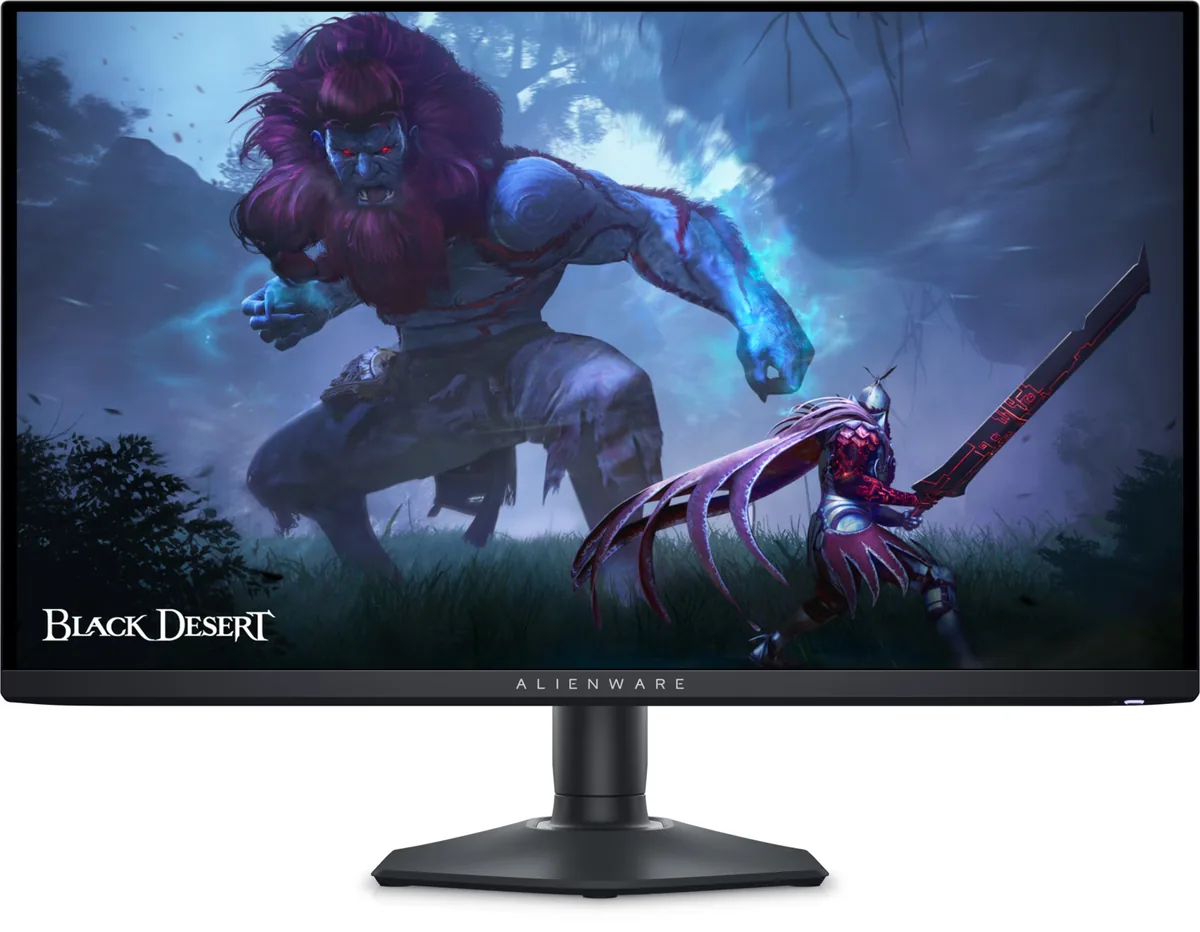
~$650Alienware AW2725DF
Alienware's 27-inch QD-OLED runs at 360 Hz for about $650, the fastest refresh on any Alienware panel here.
- Burn-in covered
- 3 years
- Panel
- 26.7″ QD-OLED
- HDR
- Real HDR
5MSI
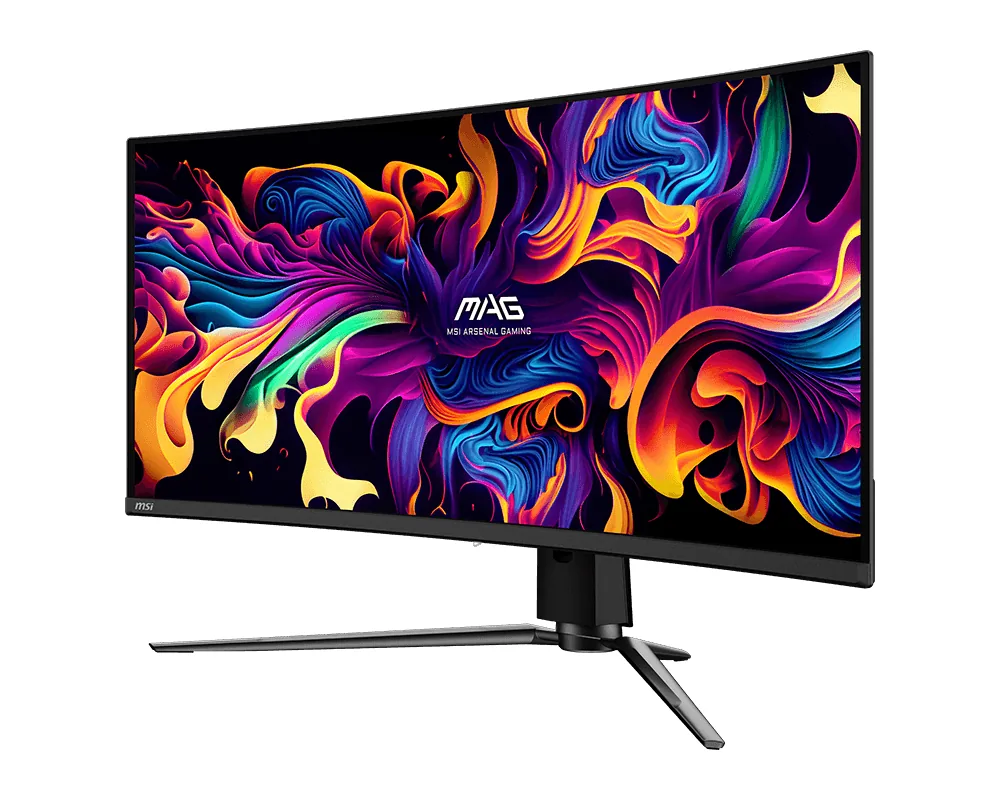
~$700MSI MAG 341CQP QD-OLED
Among the 34-inch QD-OLEDs here this is the cheapest with full-rate HDMI 2.1 — the other $700 ultrawide OLED in the catalog stops at HDMI 2.0.
- Burn-in covered
- 3 years
- Panel
- 34″ QD-OLED
- HDR
- Real HDR
6Alienware
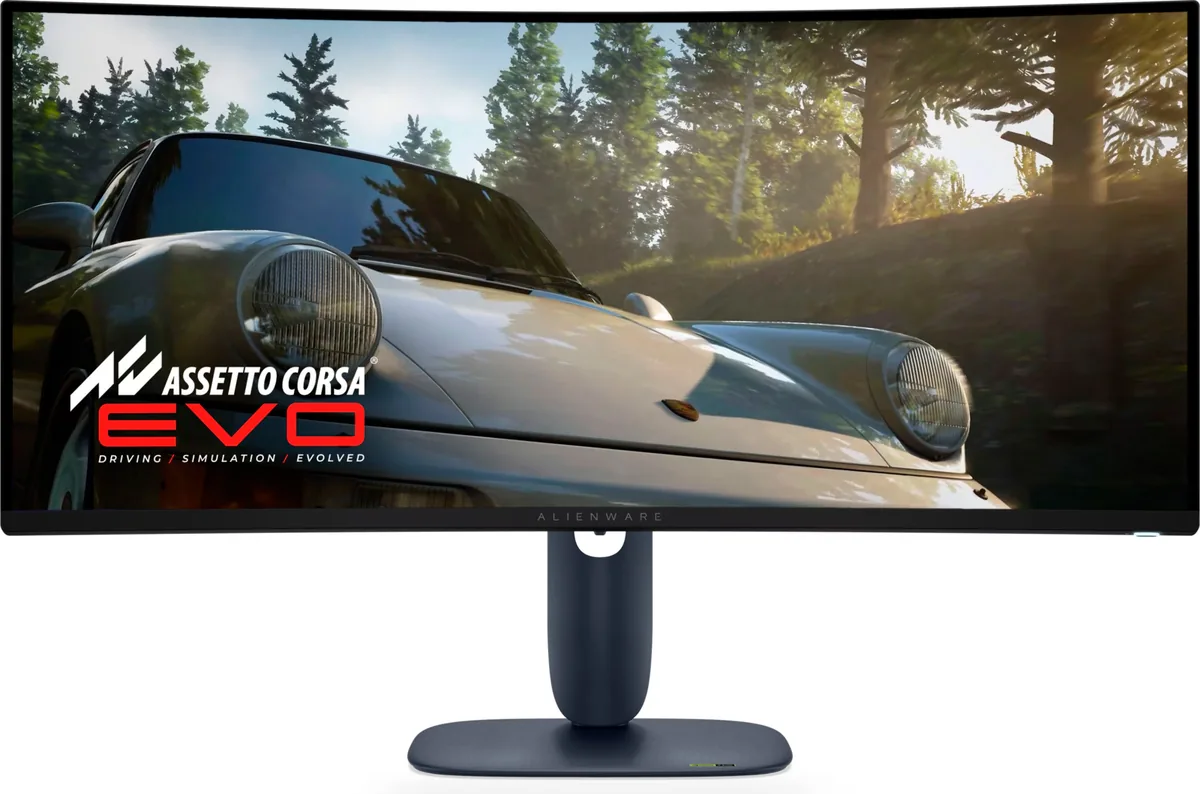
~$750Alienware AW3425DW
Three years of panel development applied to the 34-inch 21:9 QD-OLED shape Alienware established: 240 Hz across the 21:9 canvas, with HDMI 2.1 on both inputs.
- Burn-in covered
- 3 years
- Panel
- 34″ QD-OLED
- HDR
- Real HDR
7Gigabyte
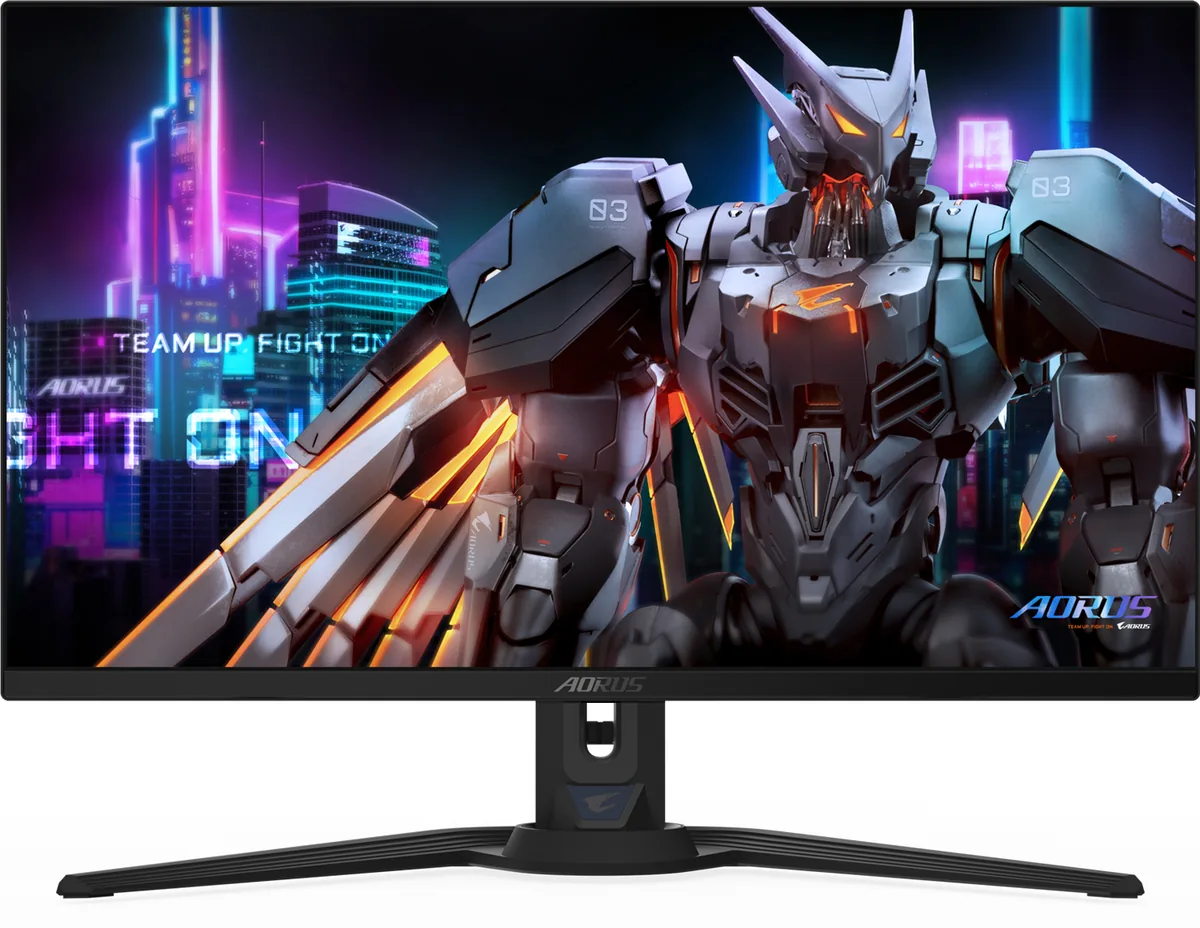
~$800Gigabyte AORUS FO27Q3
Gigabyte's 27-inch QD-OLED does the same thing its LCD monitors do: fits a KVM to a panel whose direct rivals ship without one.
- Burn-in covered
- 3 years
- Panel
- 26.5″ QD-OLED
- HDR
- Real HDR
8Acer
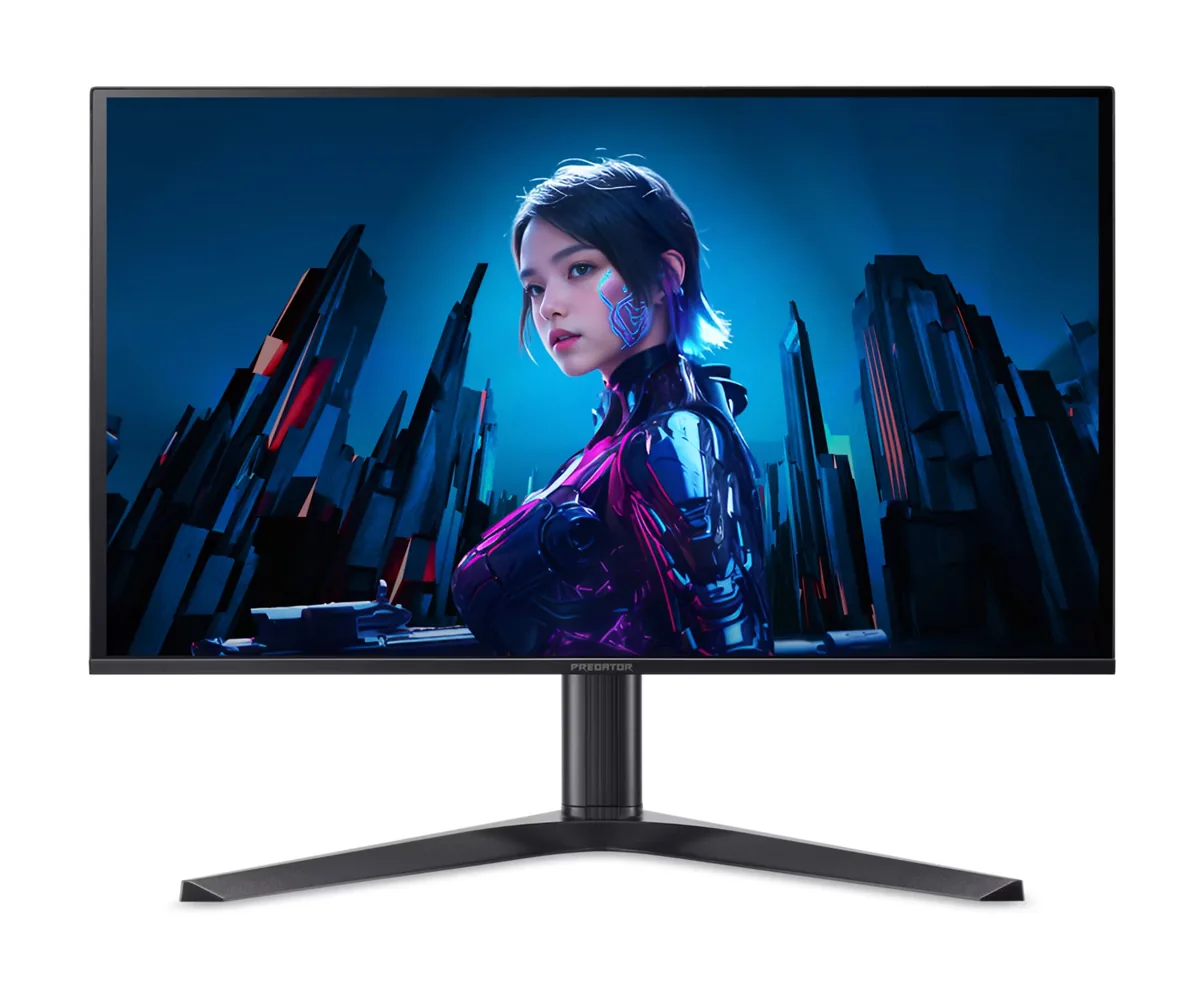
~$800Acer Predator X27U F5
Five hundred hertz is the reason this exists, and it arrives on Samsung's third-generation 1440p QD-OLED rather than the TN panel that refresh rate used to require.
- Burn-in covered
- 3 years
- Panel
- 26.5″ QD-OLED
- HDR
- Real HDR
9AOC
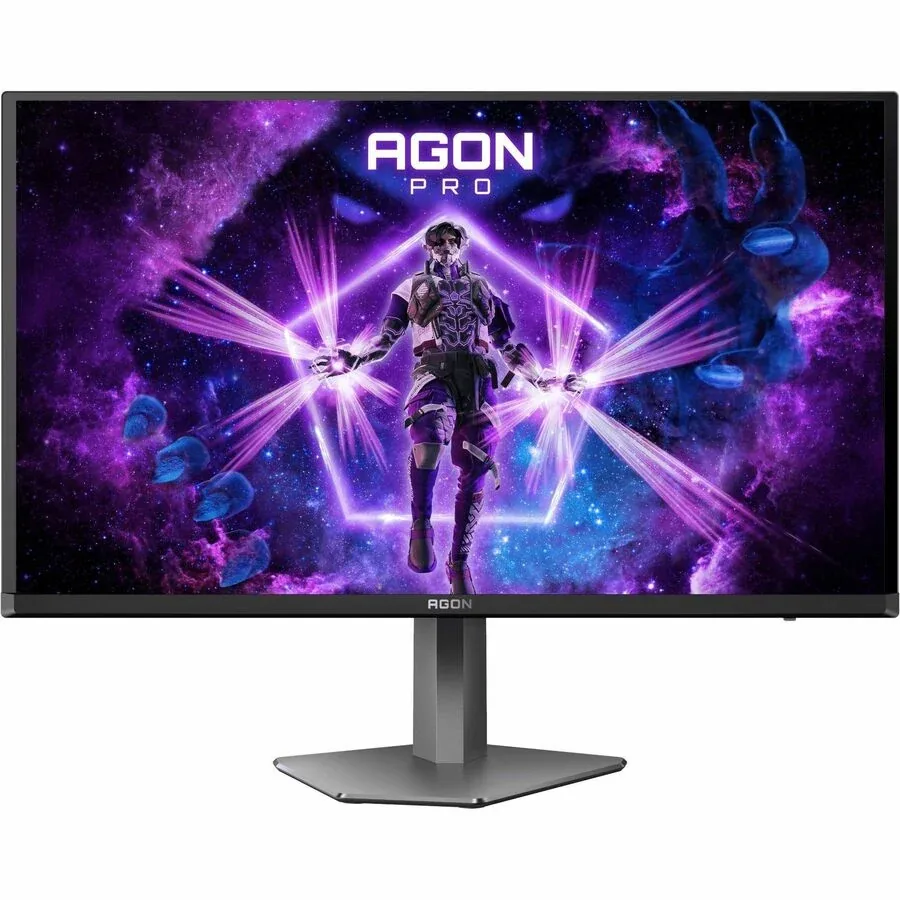
~$800AOC AGON PRO AG276QZD
AOC undercut LG's own first-generation 27-inch WOLED with this one, and the panel inside is the same LG part the ASUS and LG models of that year used.
- Burn-in covered
- 3 years
- Panel
- 26.5″ WOLED
- HDR
- Real HDR
10Acer
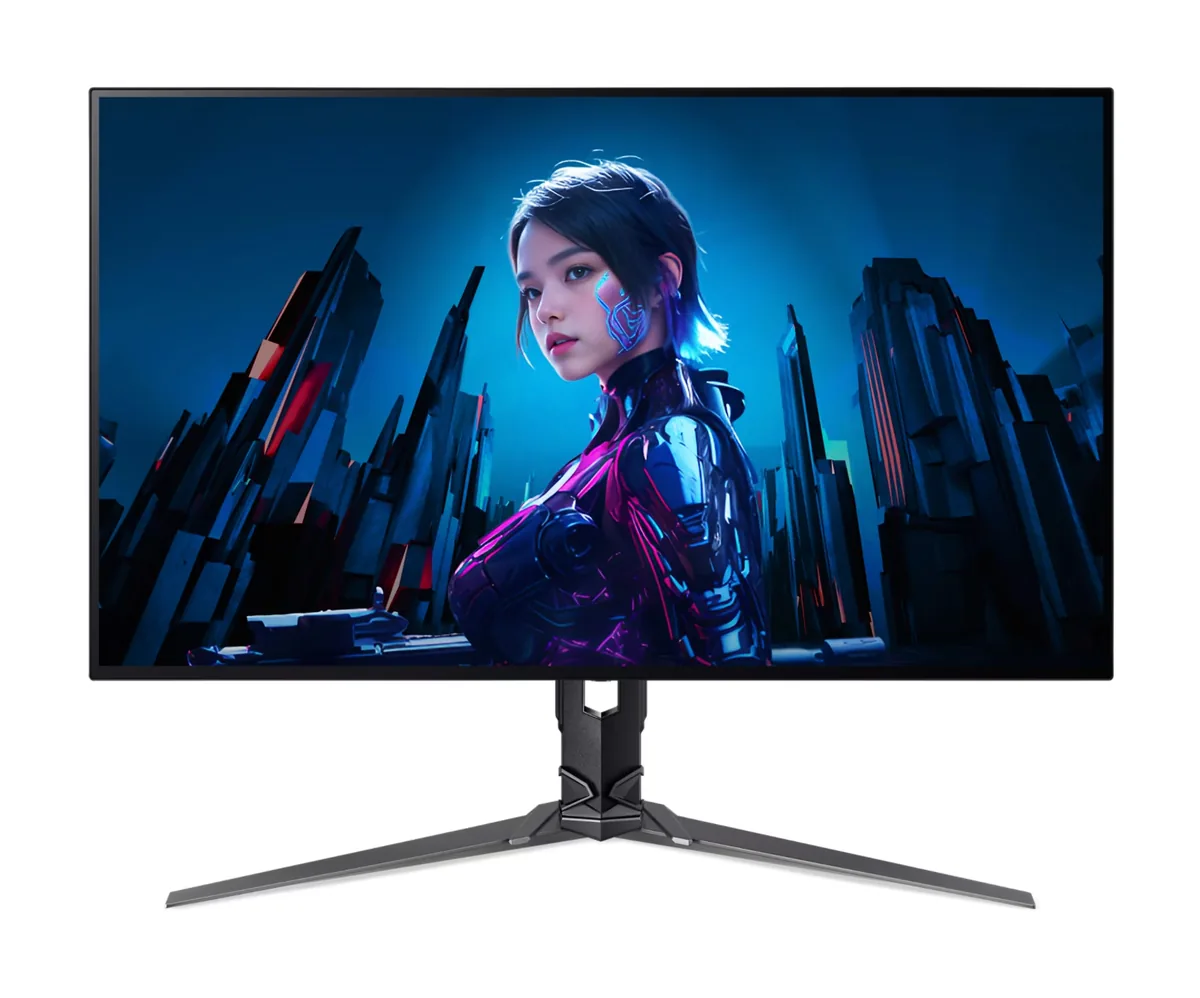
~$880Acer Predator X32 X3
Dual mode is the argument for this panel.
- Burn-in covered
- 3 years
- Panel
- 31.5″ WOLED
- HDR
- Real HDR
11Alienware
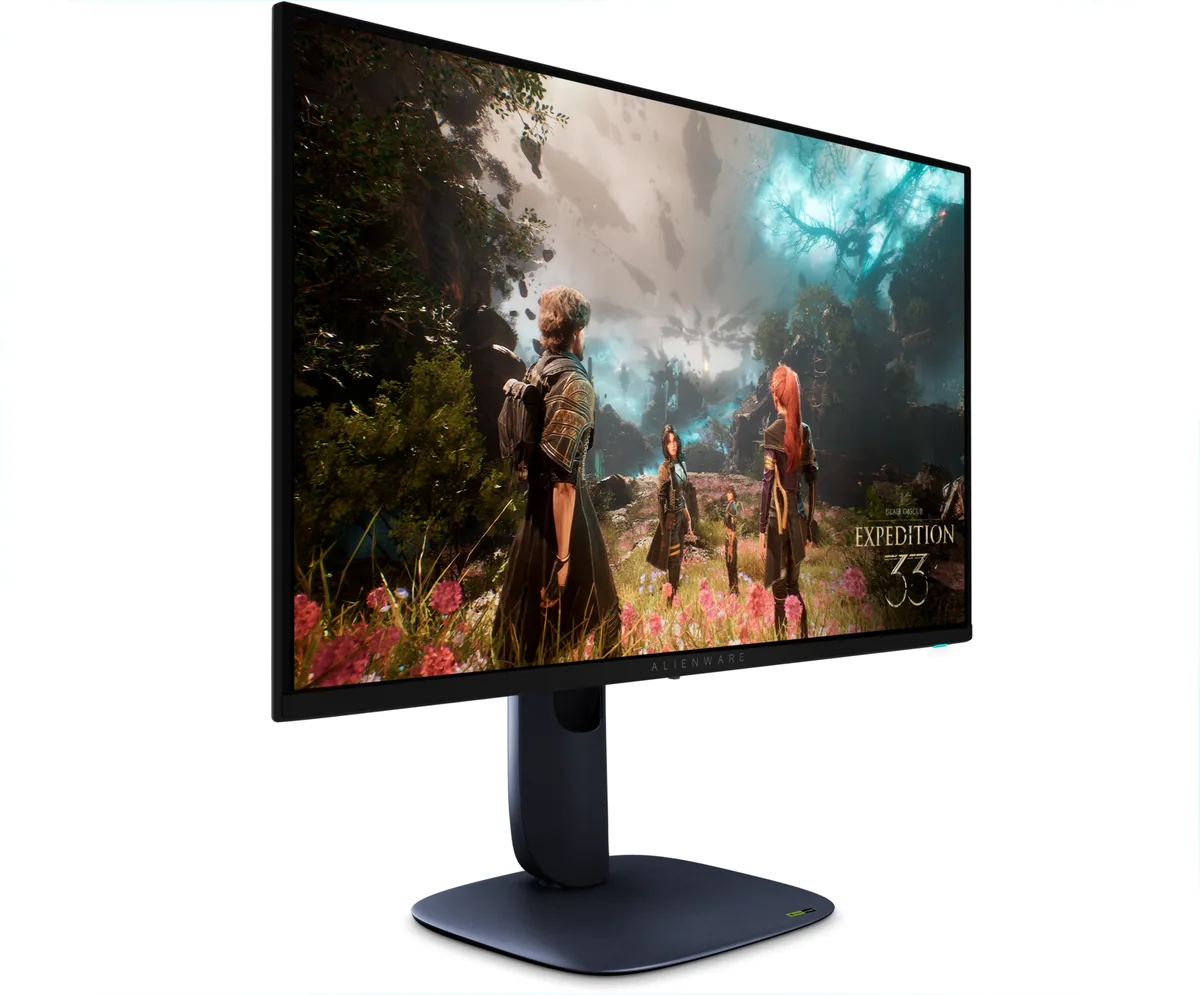
~$900Alienware AW2725Q
Fourth-generation QD-OLED at 27 inches and 4K, which works out to 165 pixels per inch — the highest density on any OLED in this catalog and the panel that finally makes an OLED reasonable to write code on.
- Burn-in covered
- 3 years
- Panel
- 26.7″ QD-OLED
- HDR
- Real HDR
12Acer
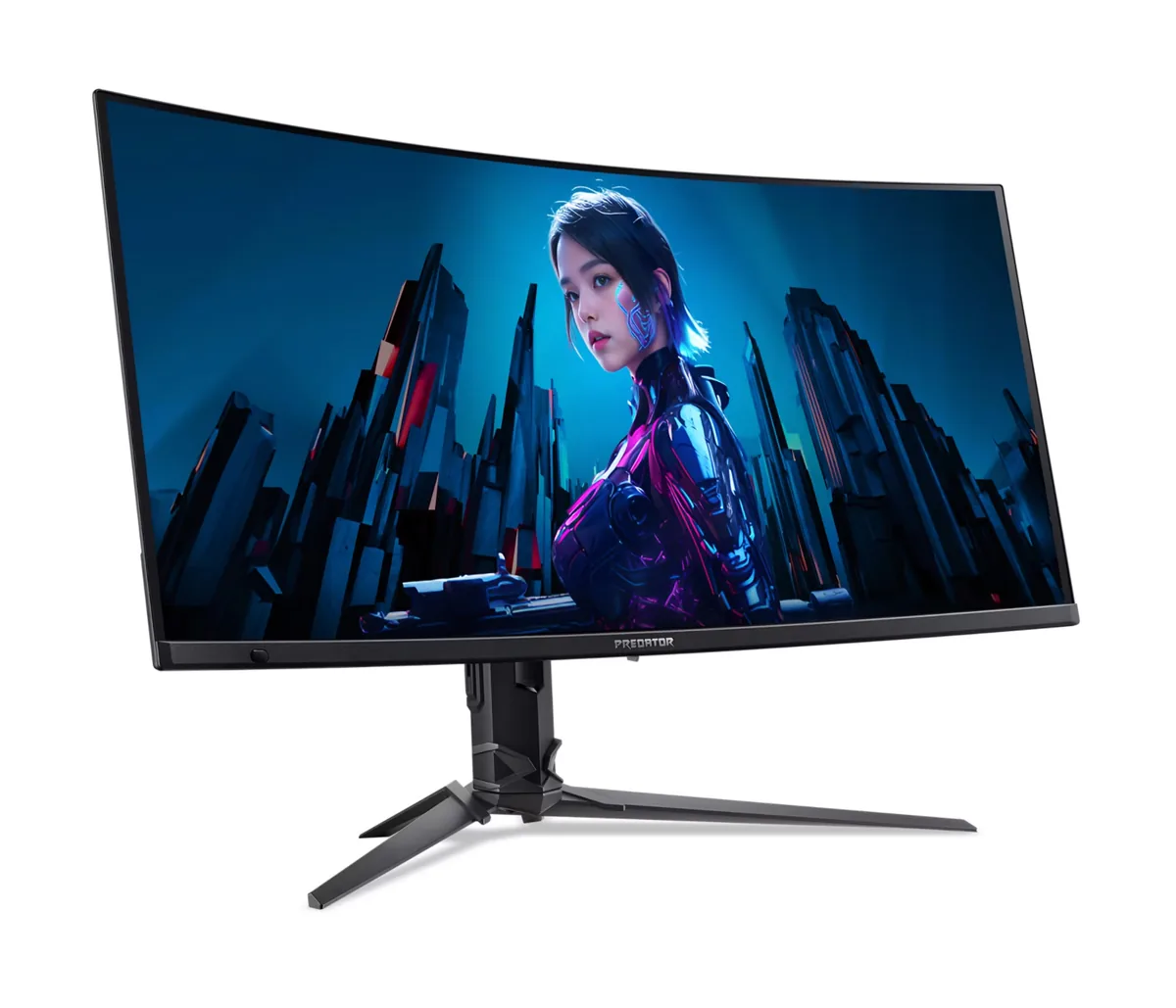
~$900Acer Predator X34 X5
The 1800R curve on this one is gentle enough to disappear after a day and steep enough to keep the far edges of a 34-inch panel at a consistent distance.
- Burn-in covered
- 3 years
- Panel
- 34″ QD-OLED
- HDR
- Real HDR
13Sony
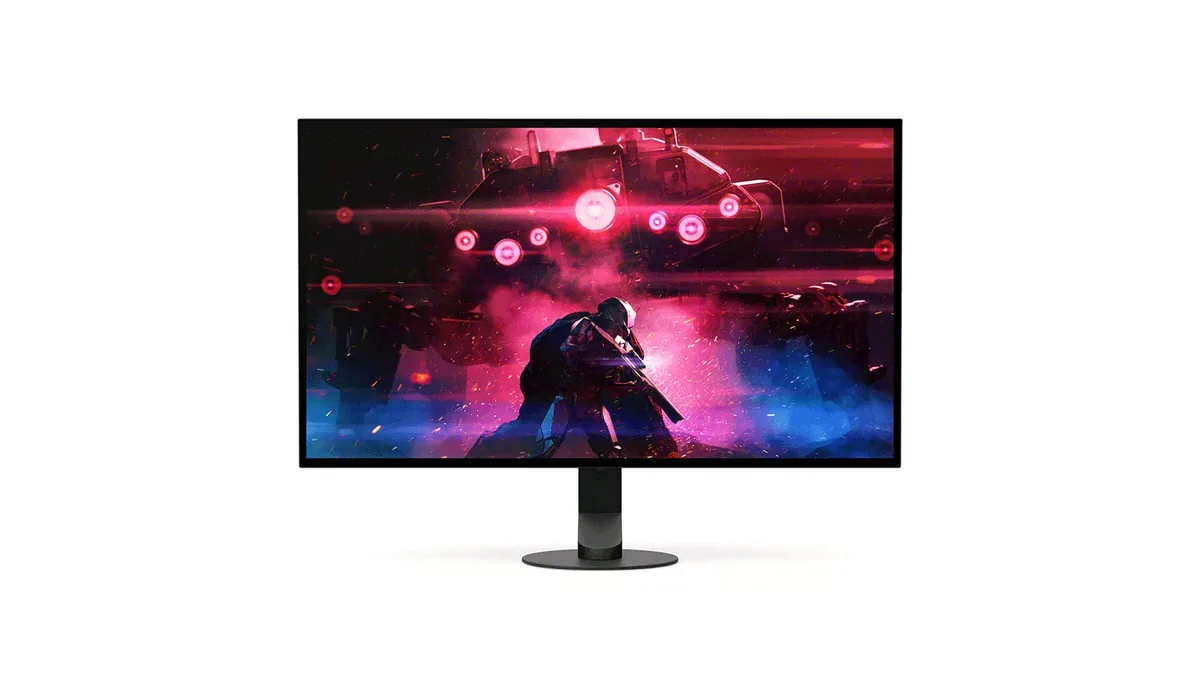
~$900Sony INZONE M10S
Developed with an esports team, and the design decisions show it: a stand whose base is 4 mm thick and 159 mm across so a keyboard can slide over it, a Tournament Mode that strips the picture back, and a switch that shrinks the image to a 24.5-inch window for players who train on that size.
- Burn-in covered
- 3 years
- Panel
- 26.5″ WOLED
- HDR
- Real HDR
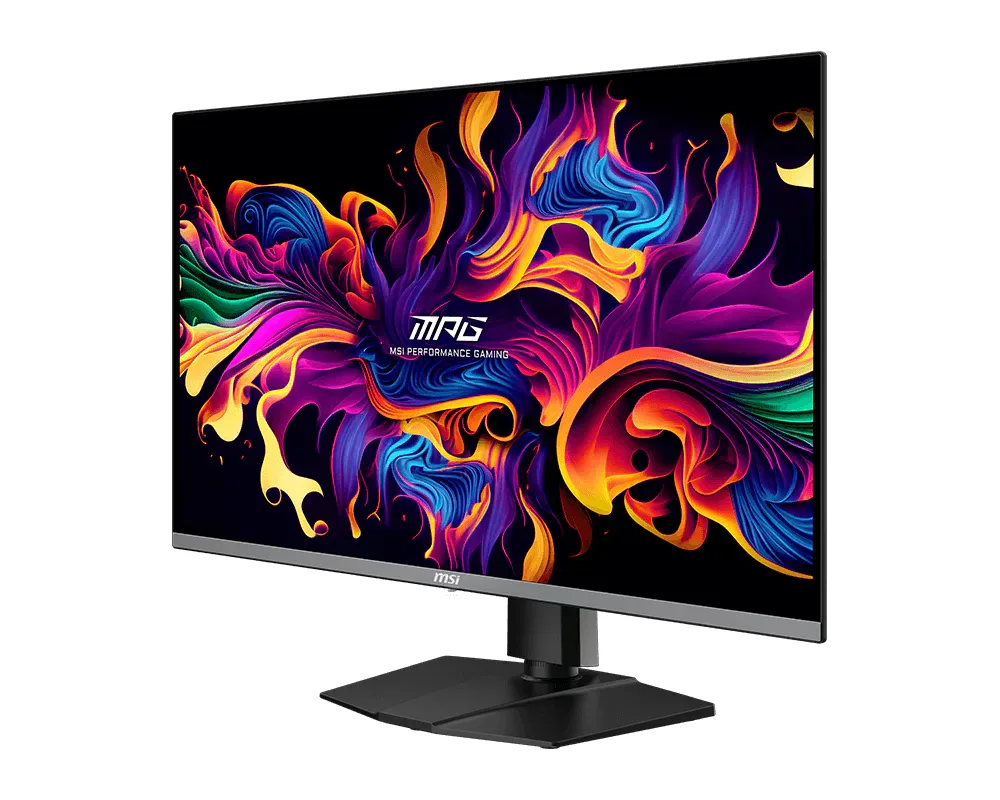
14MSI
~$950MSI MPG 321URX QD-OLED
A 32-inch 4K QD-OLED at $950 that still finds room for 90 watts of USB-C and a KVM sits at the value end of this field.
- Burn-in covered
- 3 years
- Panel
- 31.5″ QD-OLED
- HDR
- Real HDR
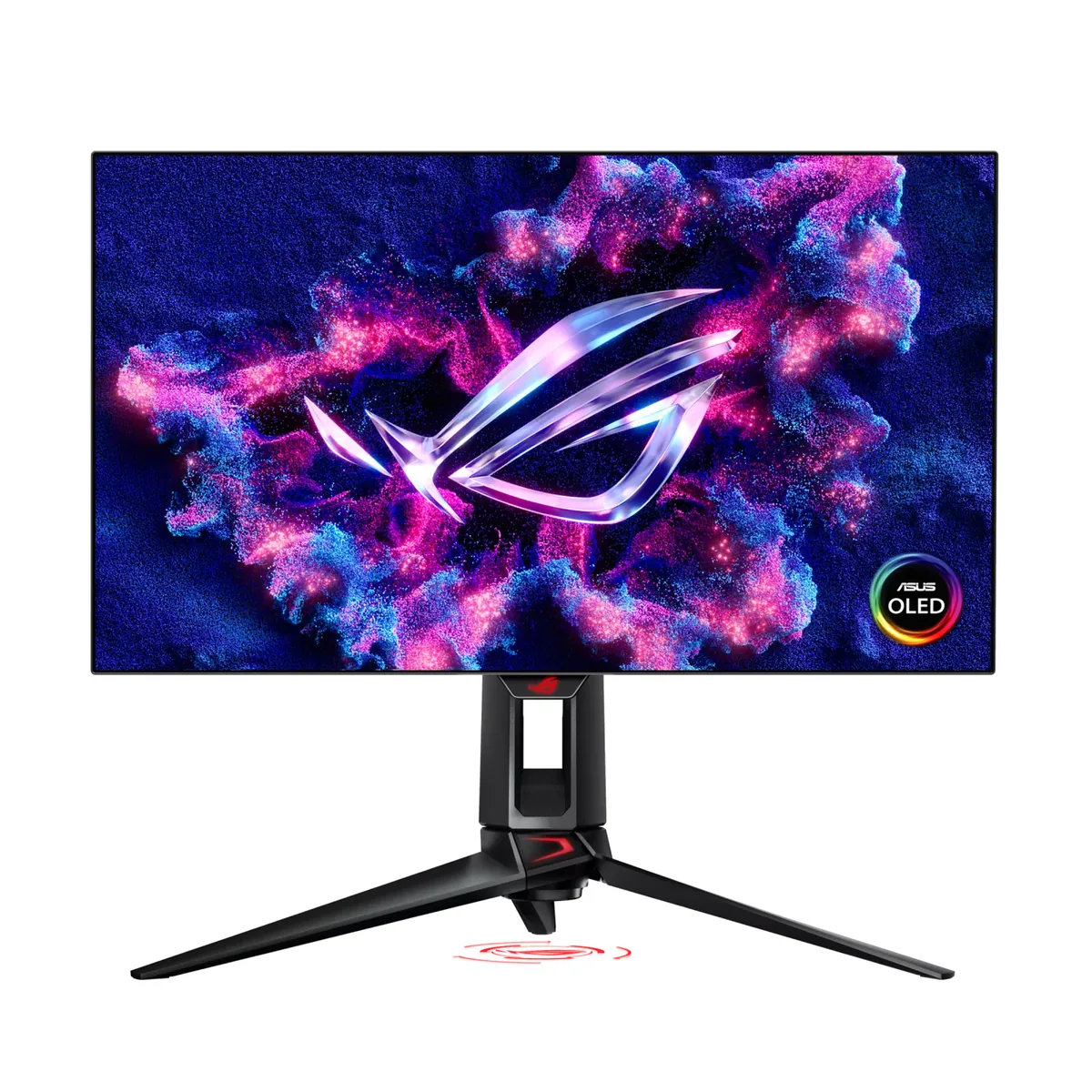
15ASUS
~$999ASUS ROG Swift OLED PG27AQDP
Four hundred and eighty hertz at 1440p on an OLED — matched in this catalog only by Sony's INZONE M10S, and beaten only by Acer's 500 Hz panel.
- Burn-in covered
- 3 years
- Panel
- 26.5″ WOLED
- HDR
- Real HDR
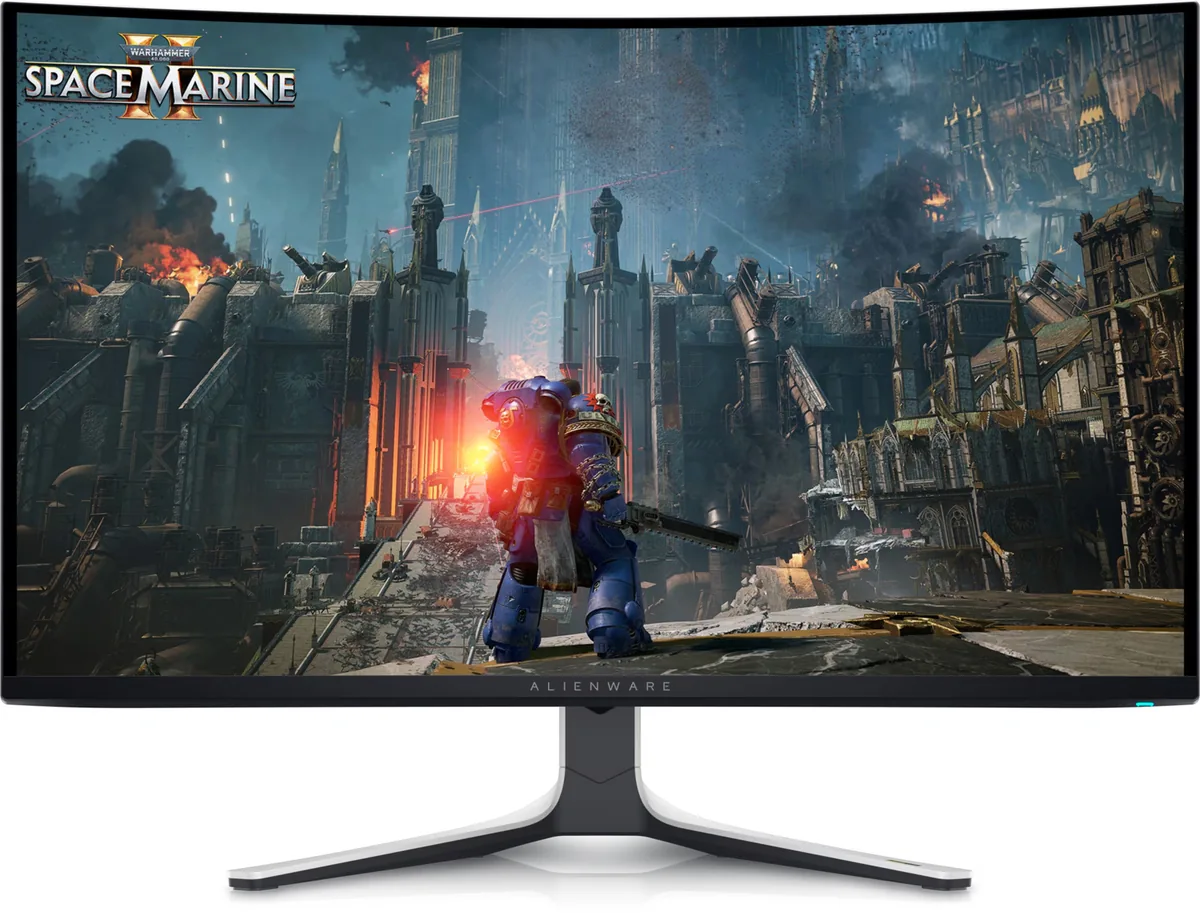
16Alienware
~$1,000Alienware AW3225QF
A gentle 1700R curve on a 32-inch 4K QD-OLED, which sounds like a contradiction and works better than it reads — the curve is shallow enough to be invisible on a desktop and just enough to even out the viewing distance at the edges.
- Burn-in covered
- 3 years
- Panel
- 31.6″ QD-OLED
- HDR
- Real HDR
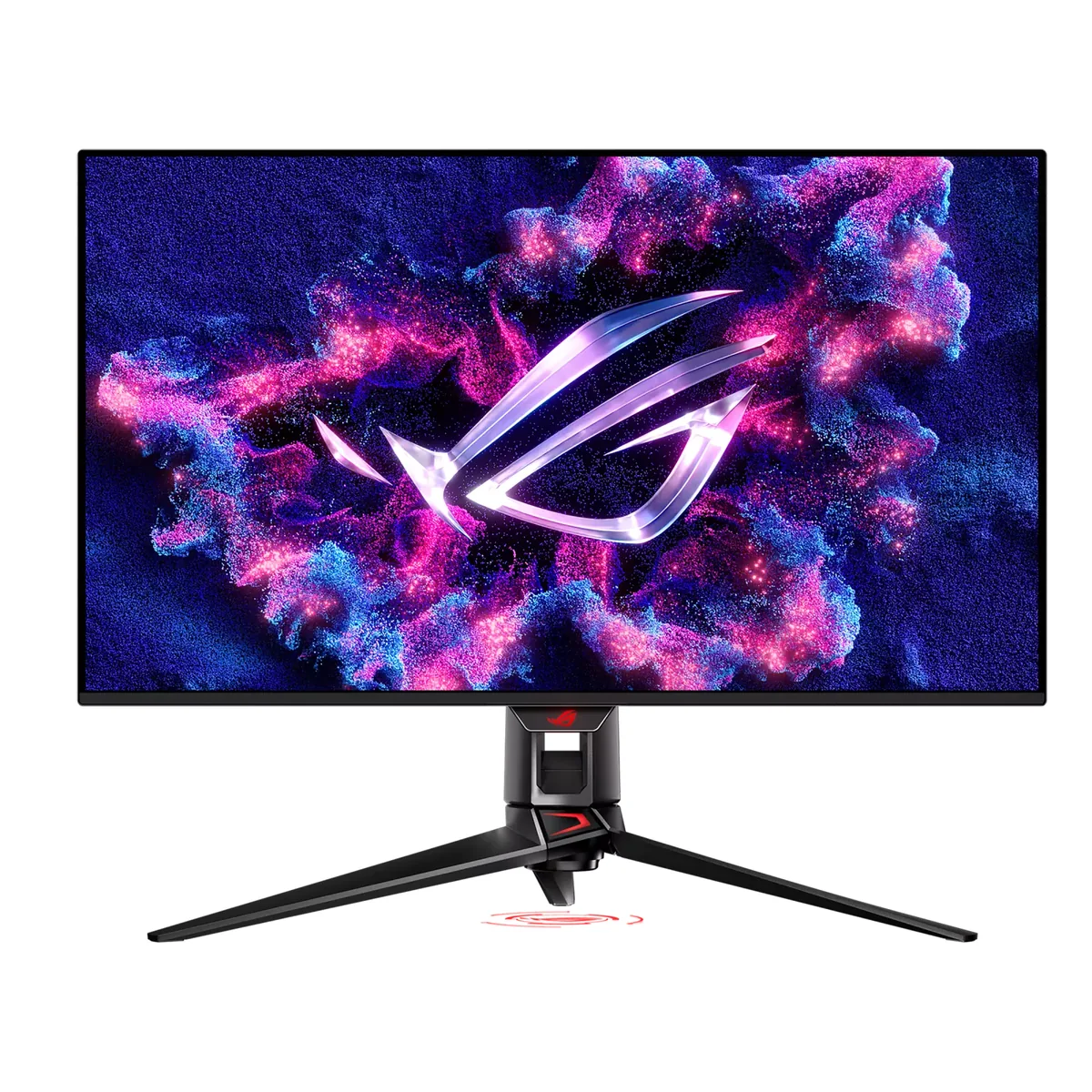
17ASUS
~$1,199ASUS ROG Swift OLED PG32UCDM
Among the wave of 32-inch 4K OLEDs that arrived in 2024, this is the one that bothered with the desk: 90 watts of USB-C, a KVM and a three-port hub.
- Burn-in covered
- 3 years
- Panel
- 31.5″ QD-OLED
- HDR
- Real HDR
18Gigabyte
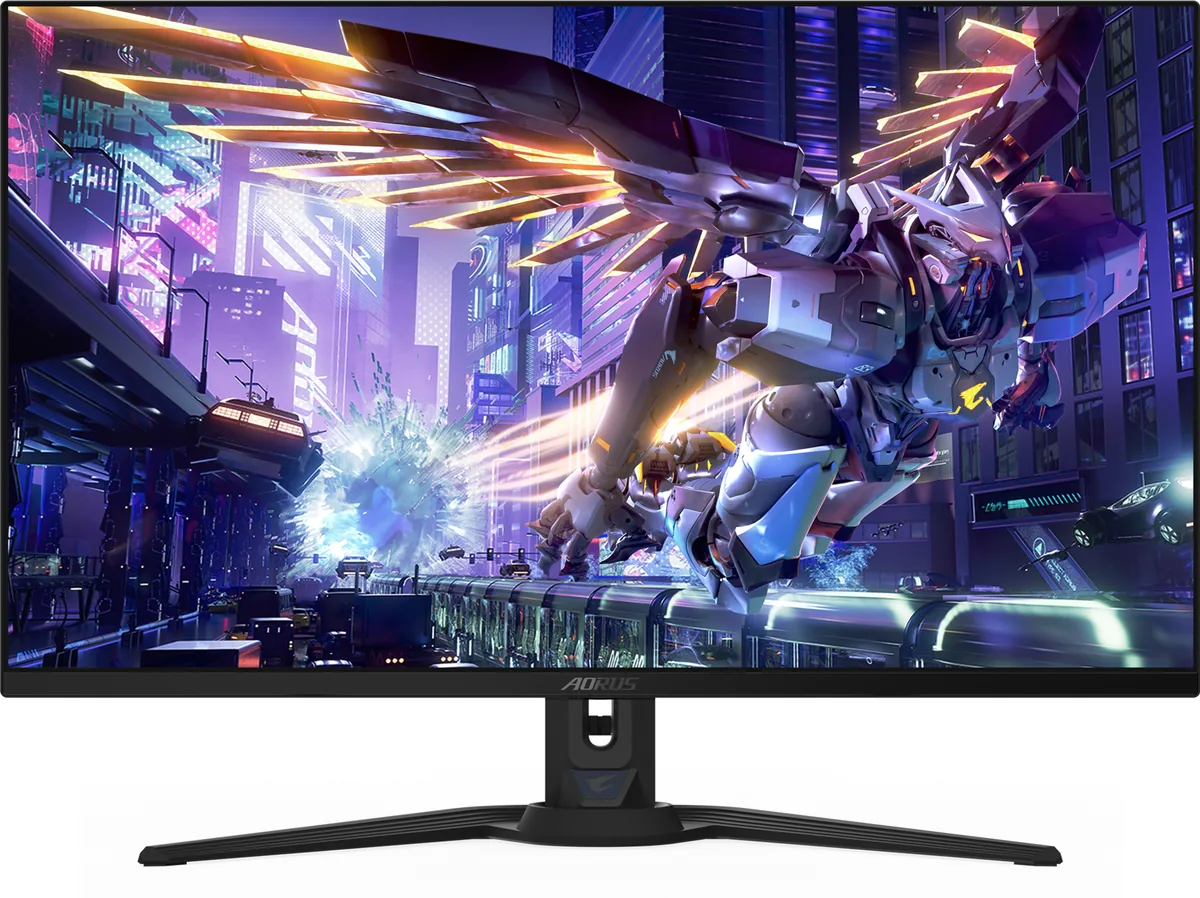
~$1,199Gigabyte AORUS FO32U2P
The only 32-inch 4K OLED here with DisplayPort 2.1 at the full UHBR20 rate, which carries 4K at 240 Hz in 10-bit without compression — every rival does the same job through DSC.
- Burn-in covered
- 3 years
- Panel
- 31.5″ QD-OLED
- HDR
- Real HDR
19Samsung
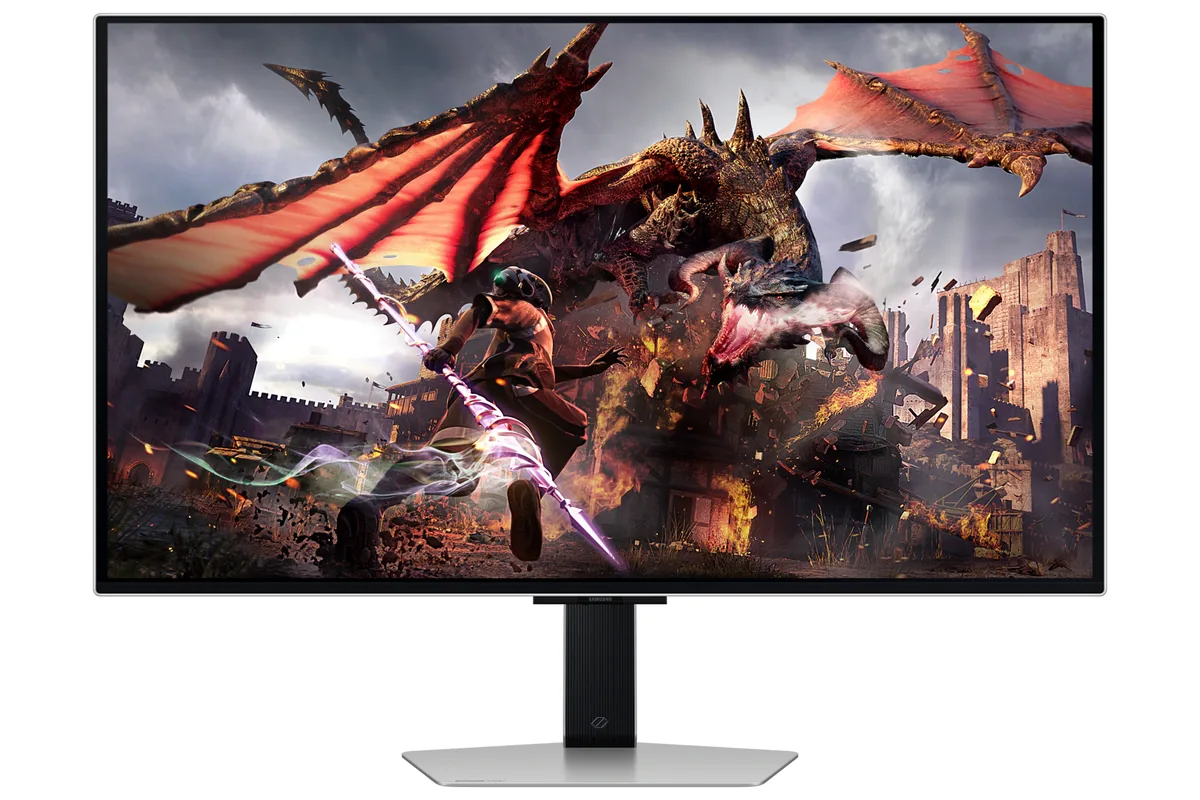
~$1,300Samsung Odyssey OLED G8 G80SDNo longer listed by Samsung
Tizen, the smart-TV platform off Samsung's televisions, ships on this 32-inch 4K QD-OLED and cuts both ways: apps and streaming with no PC attached, and an interface that would rather be a television.
- Burn-in covered
- 3 years
- Panel
- 32″ QD-OLED
- HDR
- Real HDR
20Philips
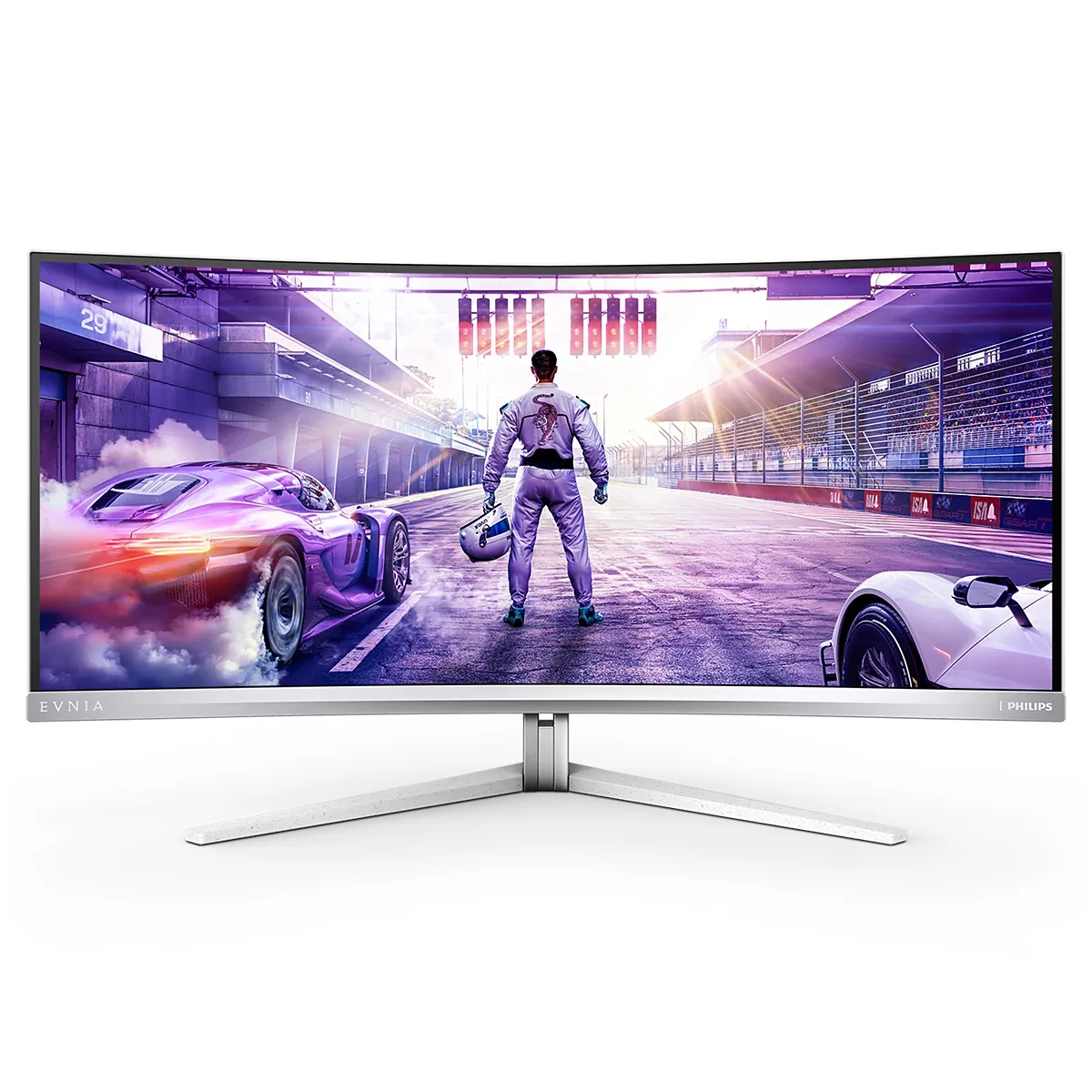
no price publishedPhilips Evnia 34M2C8600
Philips reached the 34-inch QD-OLED format in the same wave as Alienware and MSI, then spent its differentiation budget somewhere nobody else did: a 90 W USB-C dock, a KVM switch, DTS-tuned speakers and four-sided Ambiglow that throws screen-matched light onto the wall behind.
- Burn-in covered
- 3 years
- Panel
- 34″ QD-OLED
- HDR
- Real HDR
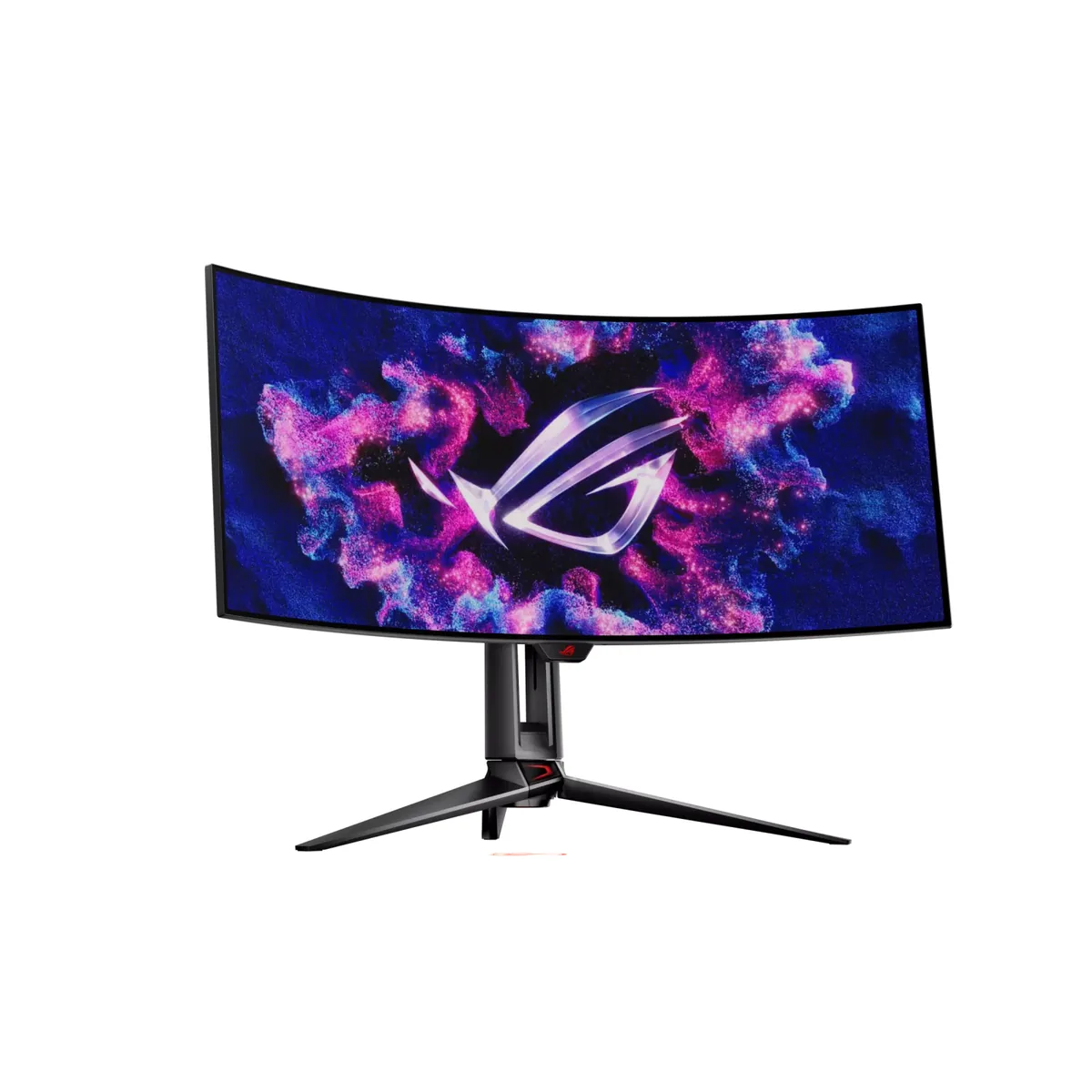
21LG
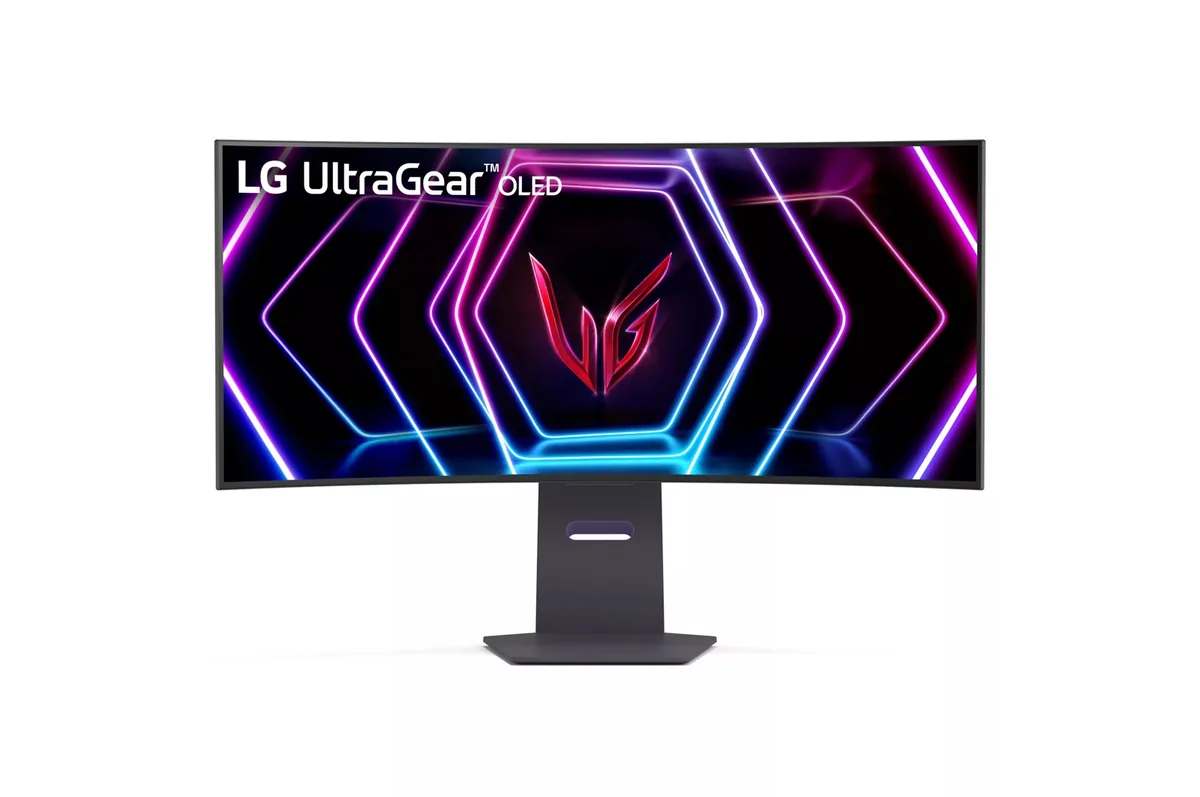
~$800LG UltraGear 34GS95QE
At 34 inches an 800R curve stops being a stunt and starts doing what it claims: the panel edges sit at roughly the same distance from your eyes as the centre.
- Burn-in covered
- 2 years
- Panel
- 34″ WOLED
- HDR
- Real HDR
22ASUS
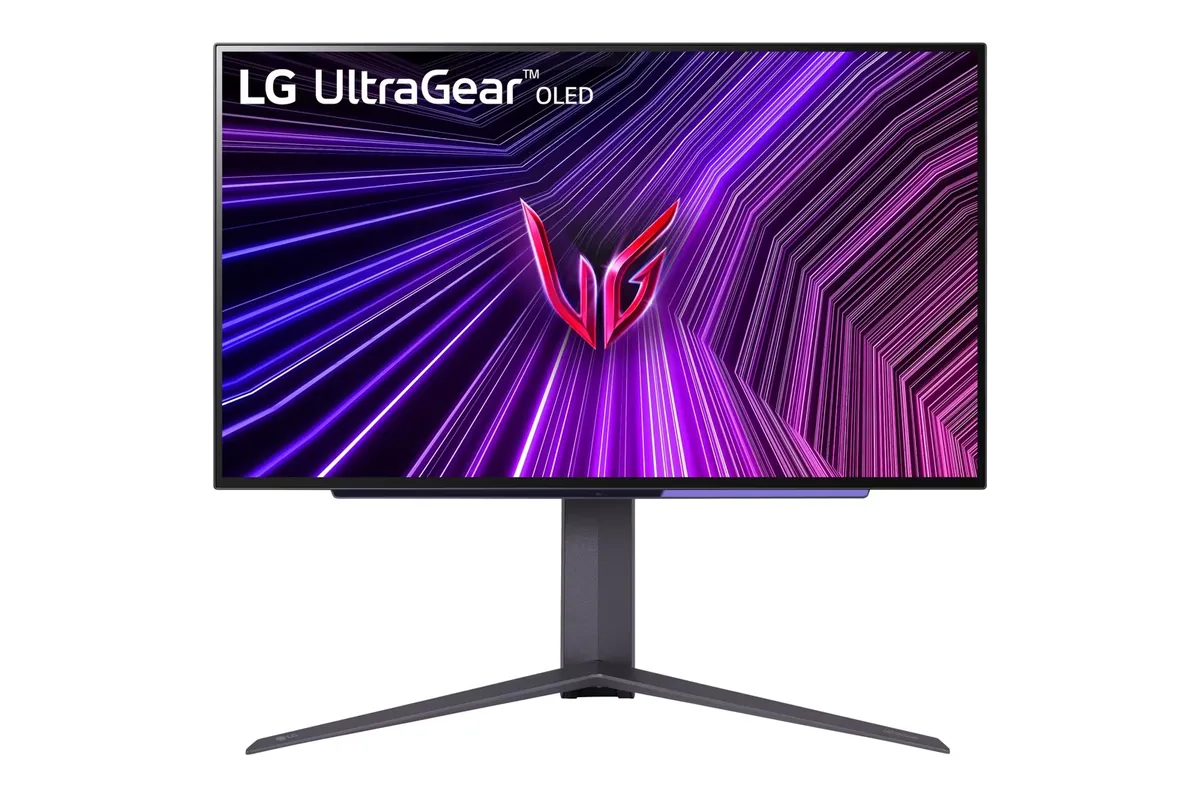
~$800ASUS ROG Swift OLED PG34WCDM
The curve is the point here: 800R rather than the usual 1800R, so the panel wraps rather than leans — the tightest anyone puts on a 34-inch ultrawide, matched in this catalog only by LG's 34GS95QE, which uses the same LG WOLED panel.
- Burn-in covered
- 2 years
- Panel
- 34″ WOLED
- HDR
- Real HDR
23LG
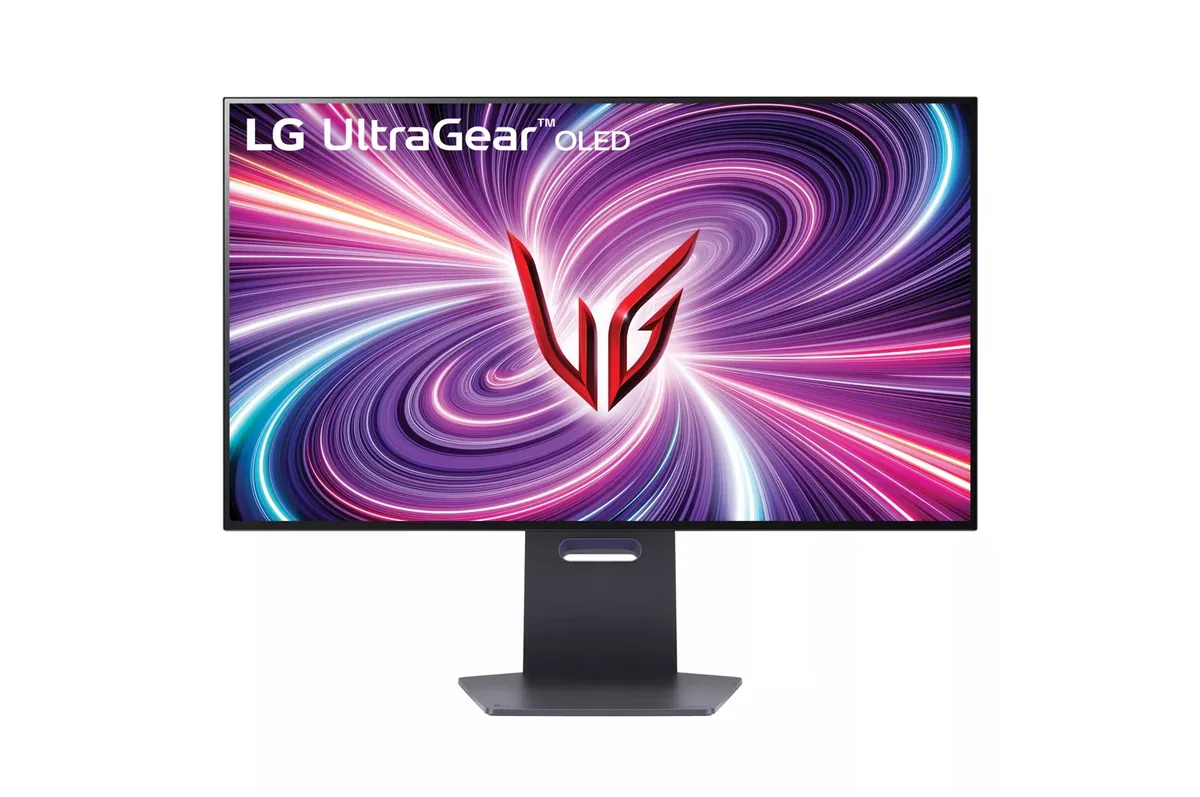
~$1,000LG UltraGear 27GR95QE
The first 27-inch 1440p OLED monitor anyone could actually buy, and the one that set the template the whole category still follows.
- Burn-in covered
- 2 years
- Panel
- 26.5″ WOLED
- HDR
- Real HDR
24LG
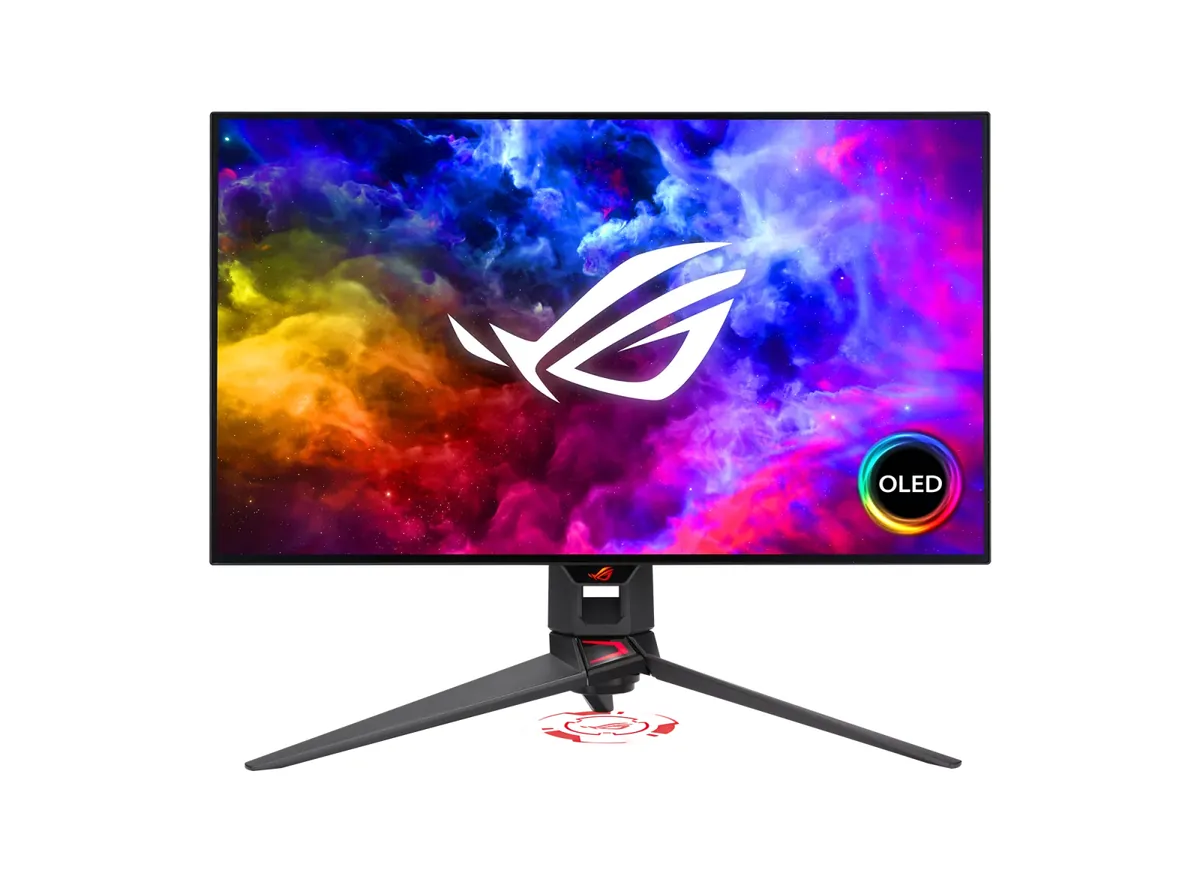
~$1,400LG UltraGear 32GS95UE
A button on the joystick drops the panel from 4K at 240 Hz to 1080p at 480 Hz, using the same physical pixels four at a time rather than scaling them — LG calls it Dual Mode, and it is what lets one screen serve both a cinematic single-player library and a competitive shooter.
- Burn-in covered
- 2 years
- Panel
- 31.5″ WOLED
- HDR
- Real HDR
25ASUS
no price publishedASUS ROG Swift OLED PG27AQDM
ASUS's contribution to the 27-inch OLED category was a custom heatsink and a micro-texture anti-glare coating, and between them they answered the two loudest objections to the first WOLED monitors: heat-driven brightness limiting, and a glossy panel you cannot use near a window.
- Burn-in covered
- 2 years
- Panel
- 26.5″ WOLED
- HDR
- Real HDR
26LG
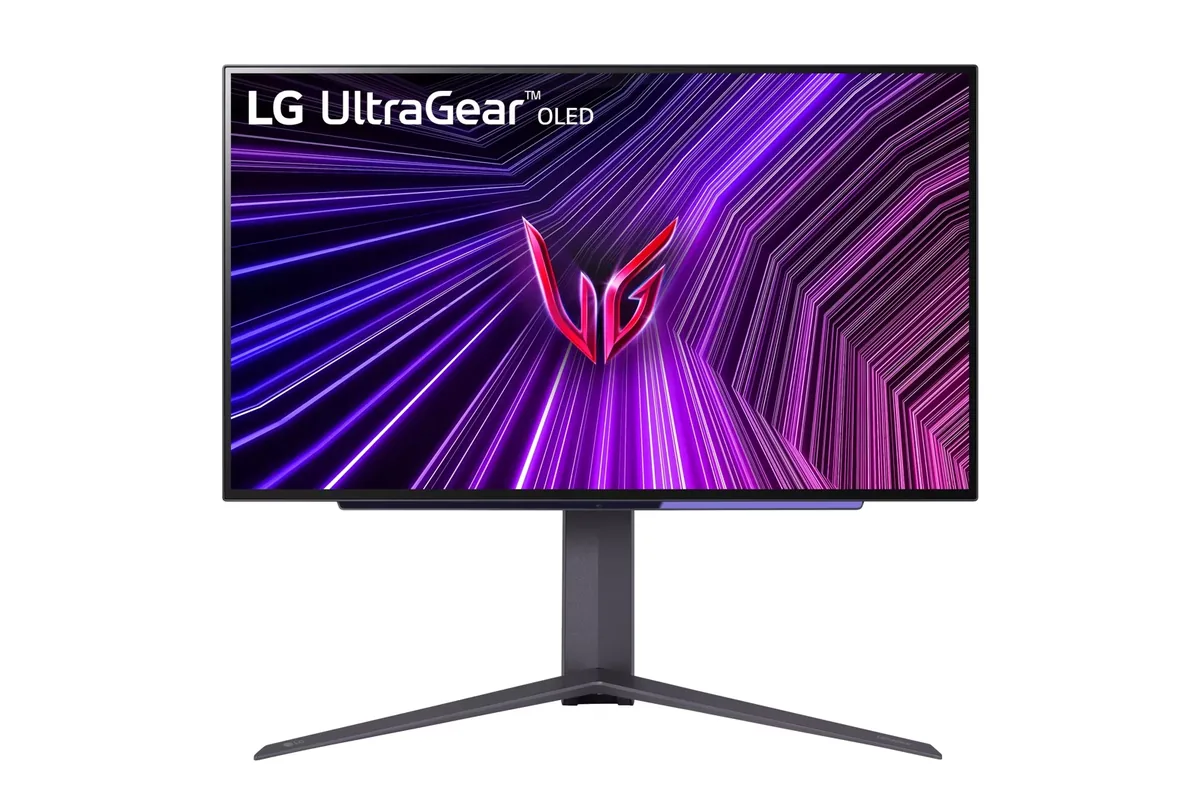
~$700LG UltraGear 27GS95QE
LG's second pass at the 27-inch 1440p OLED fixed the thing everyone complained about in the first: brightness.
- Burn-in covered
- not covered
- Panel
- 26.5″ WOLED
- HDR
- Real HDR
27Samsung
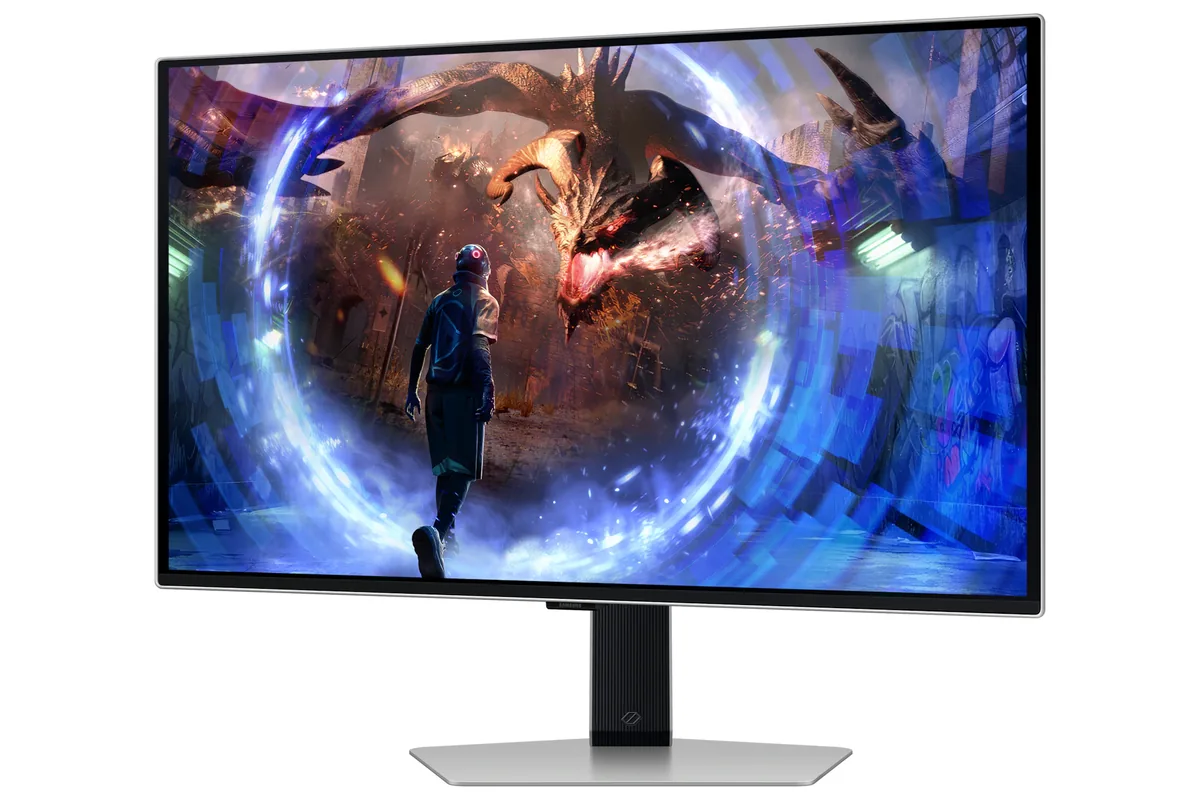
~$900Samsung Odyssey OLED G6 G60SDNo longer listed by Samsung
Samsung's answer to LG's 27-inch OLED undercuts it on one number and matches it on the other: 360 Hz against LG's 240, and the same decision to put a matte treatment over the panel rather than leave it glossy.
- Burn-in covered
- not published
- Panel
- 27″ QD-OLED
- HDR
- Real HDR
28Samsung
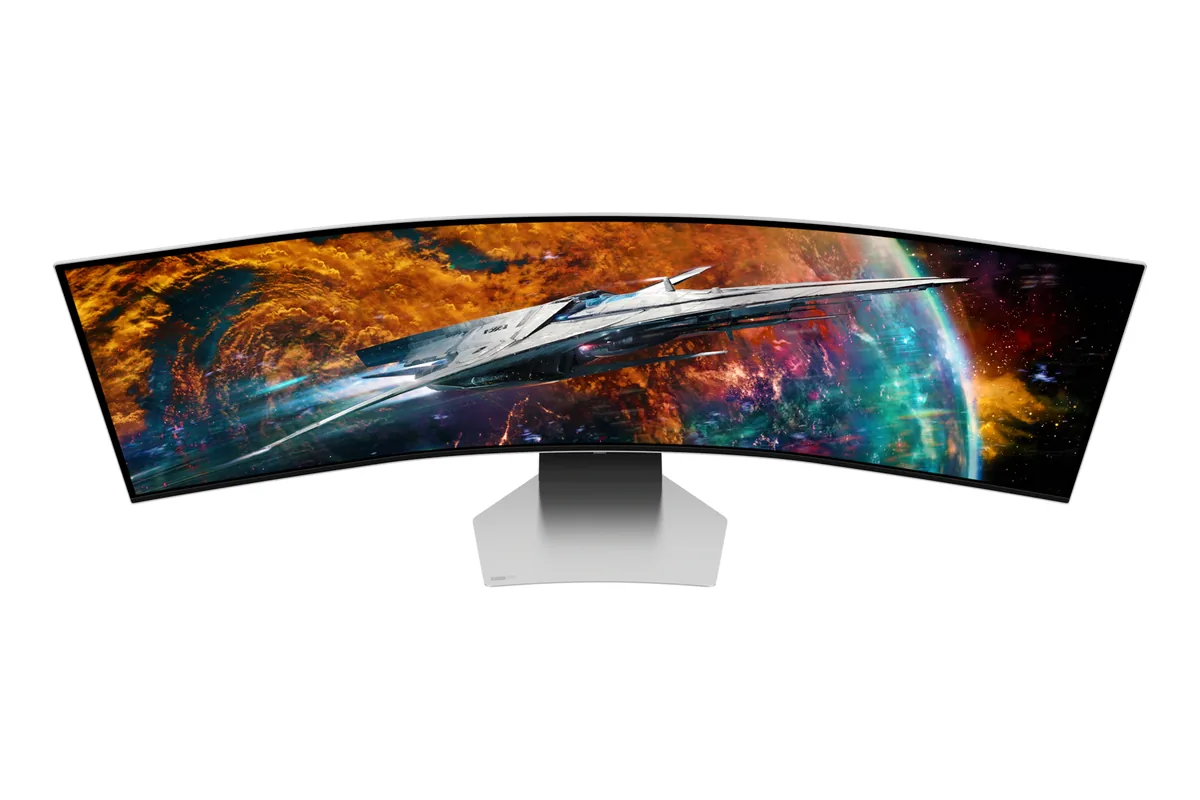
~$1,100Samsung Odyssey OLED G9 G95SCNo longer listed by Samsung
Two 27-inch 1440p monitors fused into one 1800R curve, with an OLED panel behind them.
- Burn-in covered
- not published
- Panel
- 49″ QD-OLED
- HDR
- Real HDR