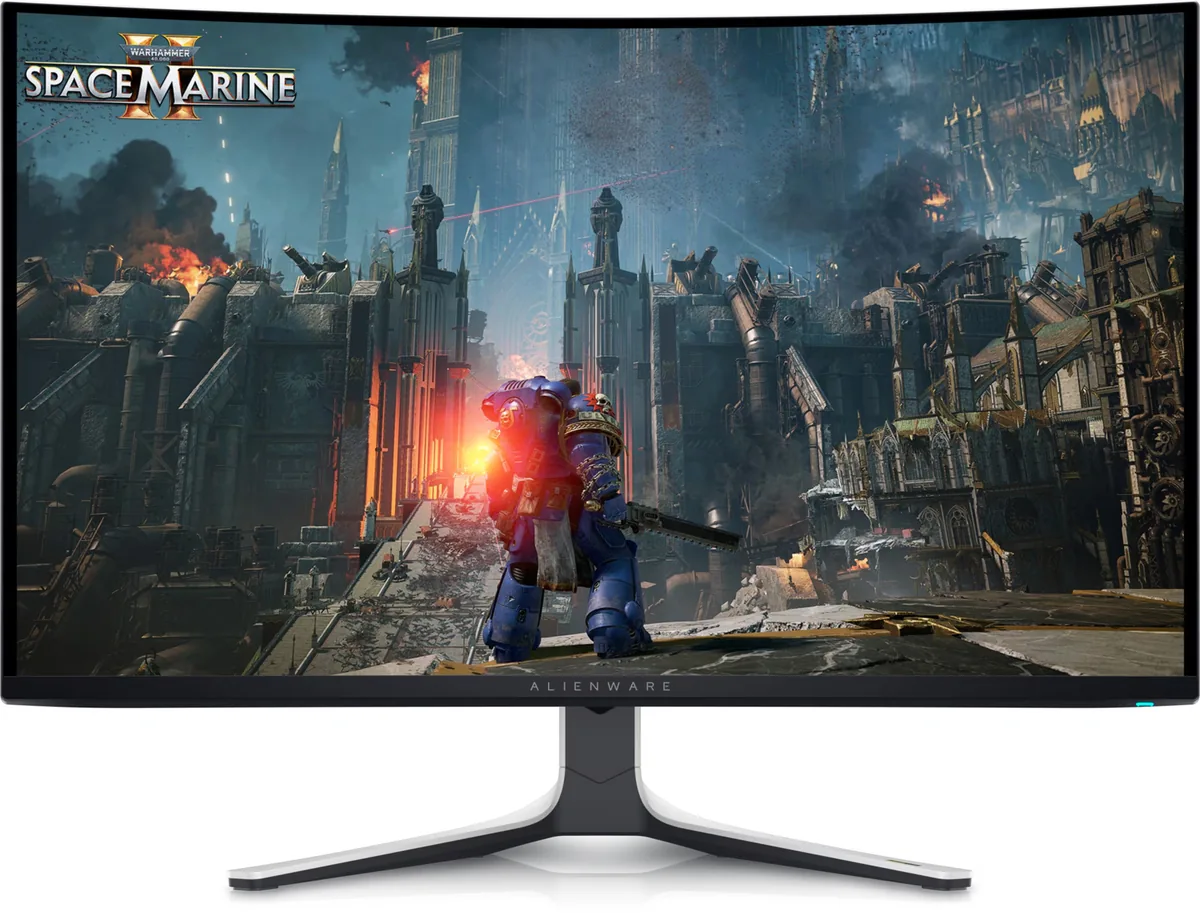
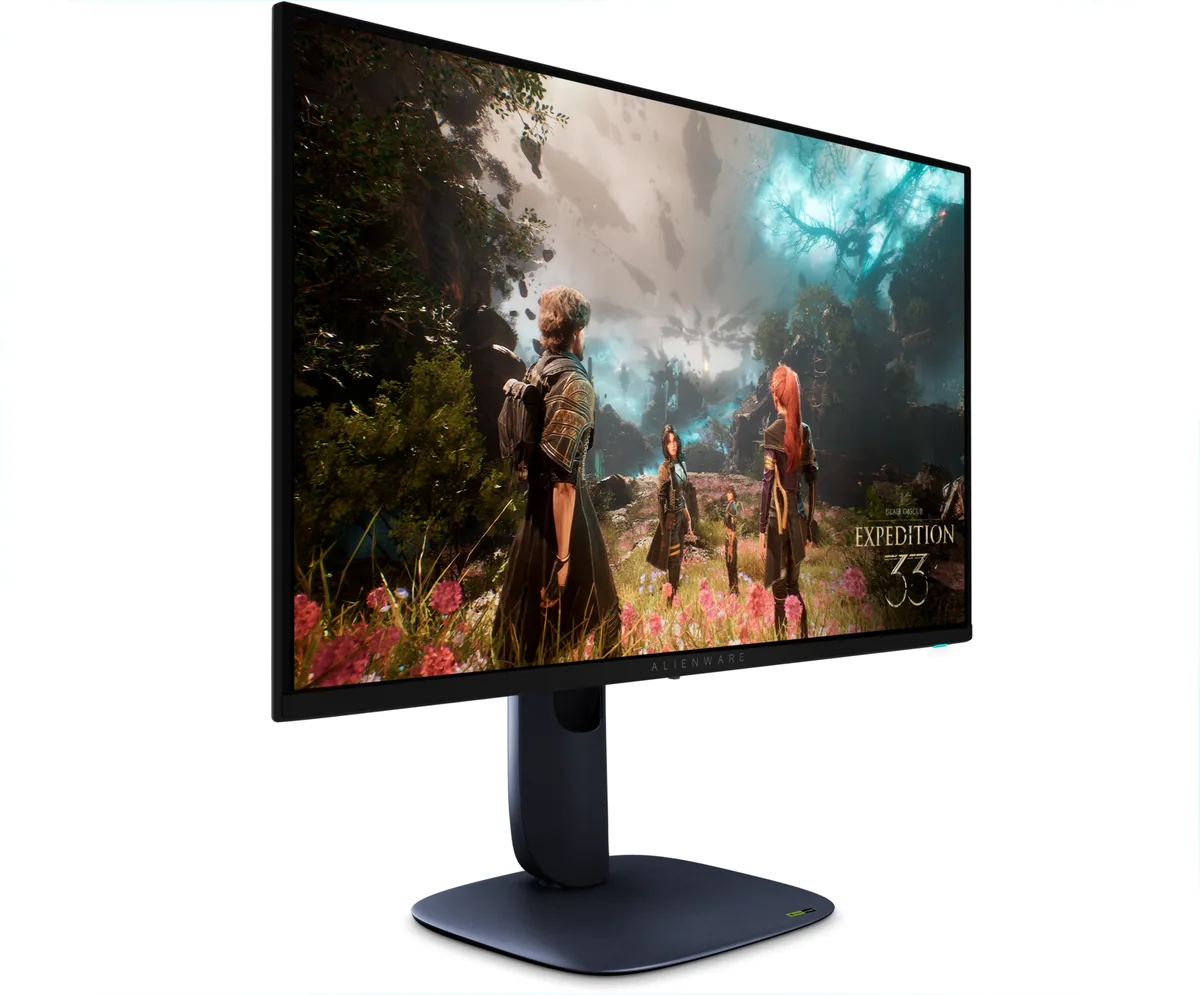
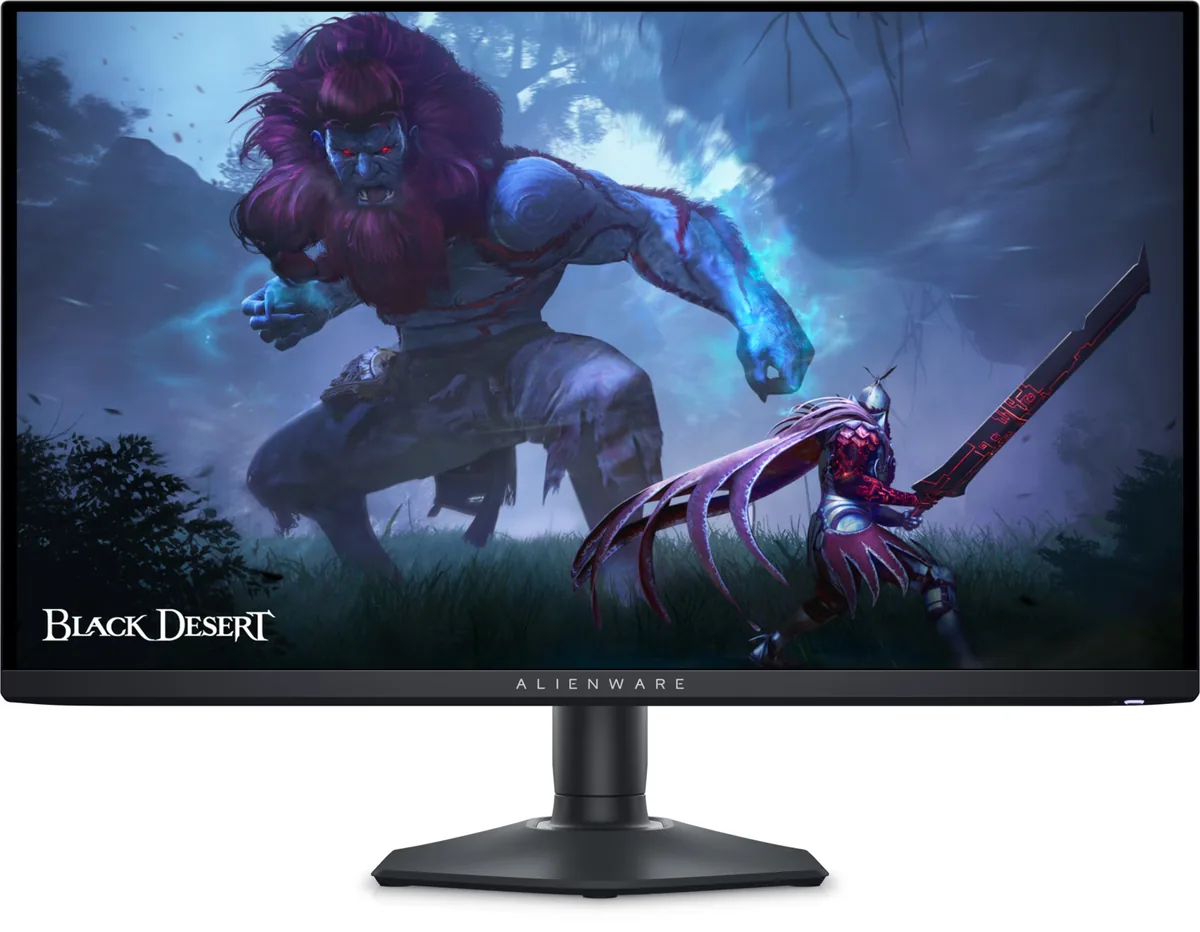
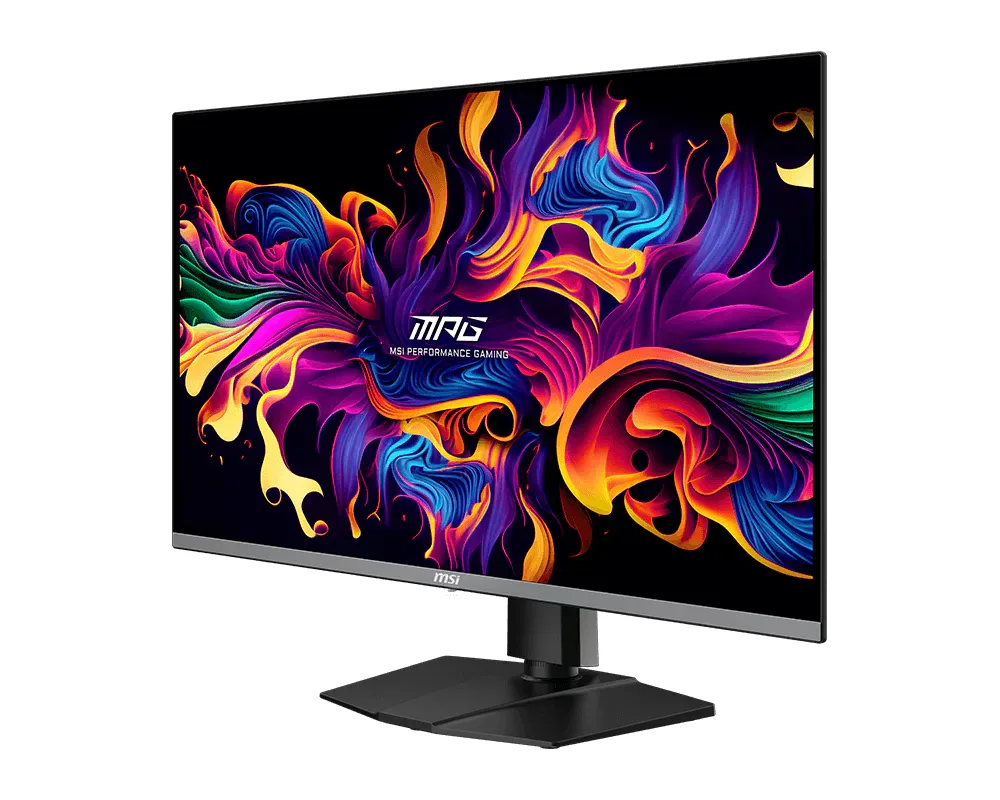
Buyers arrive at this one from two directions. Some want 4K on an emissive panel and find it is the cheapest route to 140 pixels per inch with per-pixel black; others want Dolby Vision on a desktop monitor, which narrows the field to almost nothing. Both groups tend to report the same first week: the picture is startling, and the settings menu is a project.
The settings are where most of the owner conversation lives. Peak 1000 mode buys you real highlight brightness and pays for it with brightness limiting so obvious on a white web page that owners compensate with graphics-driver gamma and contrast just to keep desktop whites steady. True Black 400 sidesteps that and gives up the highlights. On top of that sit Dolby Vision, a console mode and per-game tone-mapping sliders, and the usual outcome is that someone tunes one game beautifully and finds the next one looks wrong. The other recurring friction is connection-level: a monitor that wakes at 120 Hz until power-cycled, and HDMI inputs that some laptops and consoles simply refuse to negotiate with while DisplayPort works first time.
Worth knowing before buying: the 1700R curve is shallow, and the people who worry about it in advance are mostly worrying about desk work rather than games — where it does come up as a real limit is watching a film with two or three other people sitting off-axis. Bright rooms are the other limit. Full-field SDR output is modest and the coating is glossy, so this is a monitor for a room whose lighting you control, not a window-facing desk.