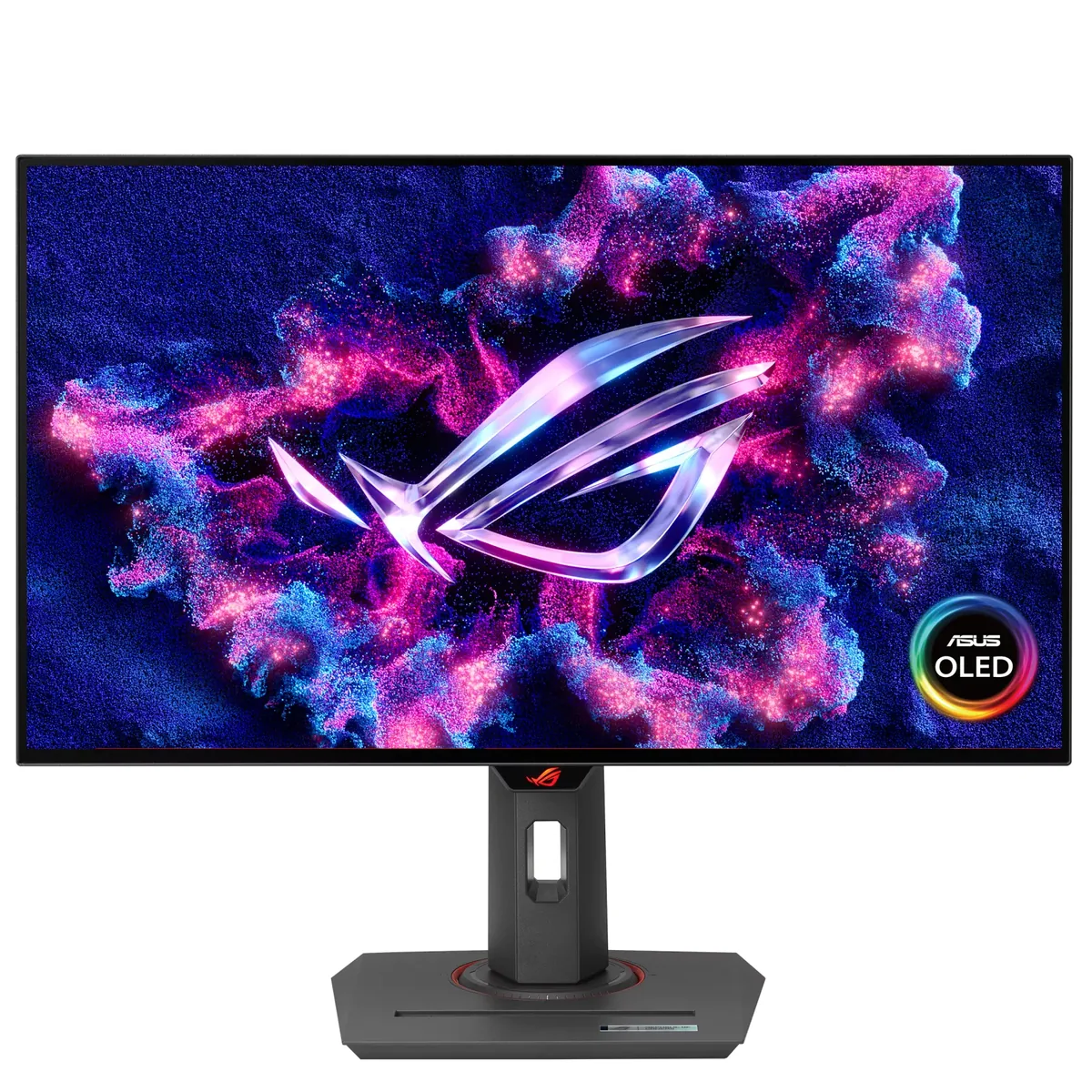
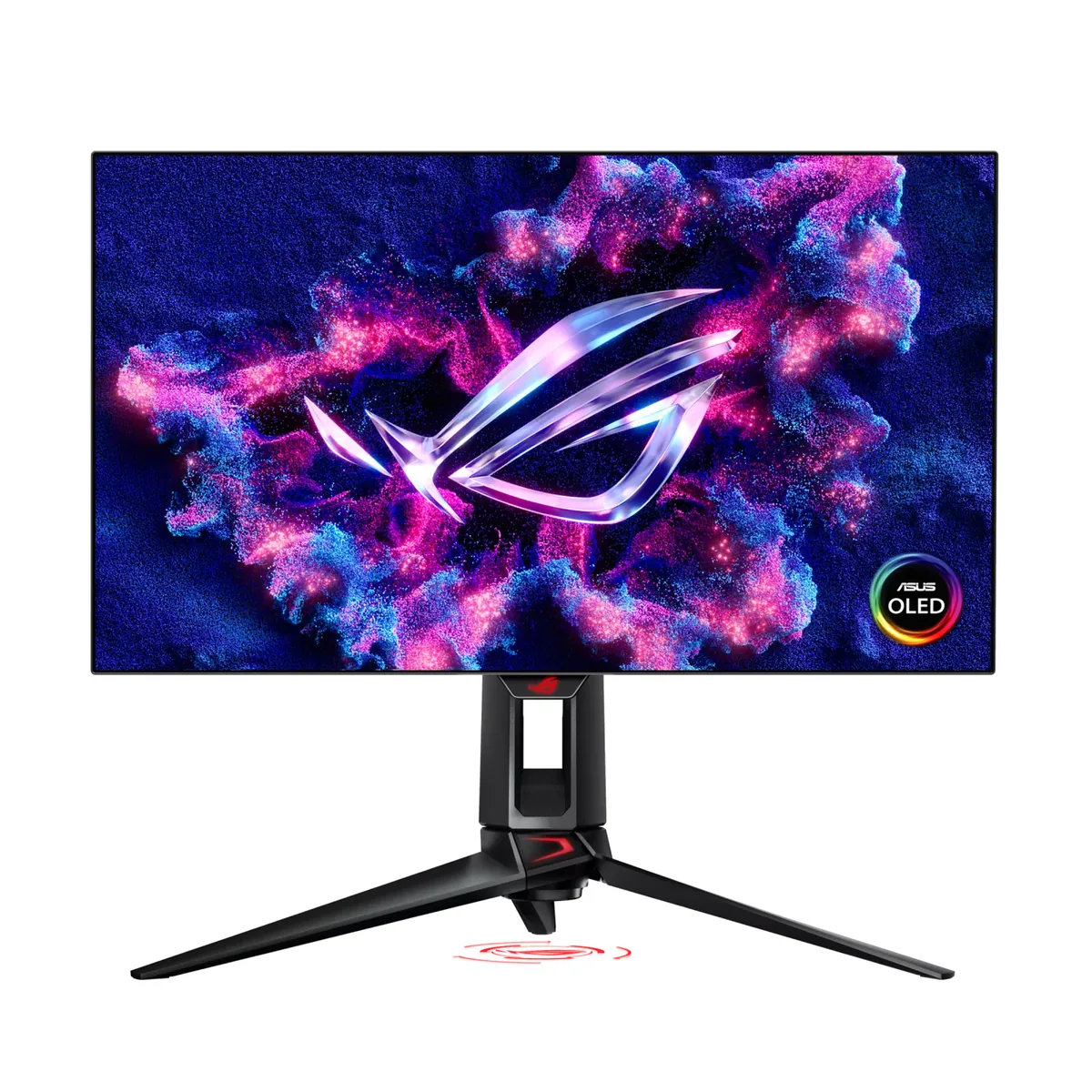
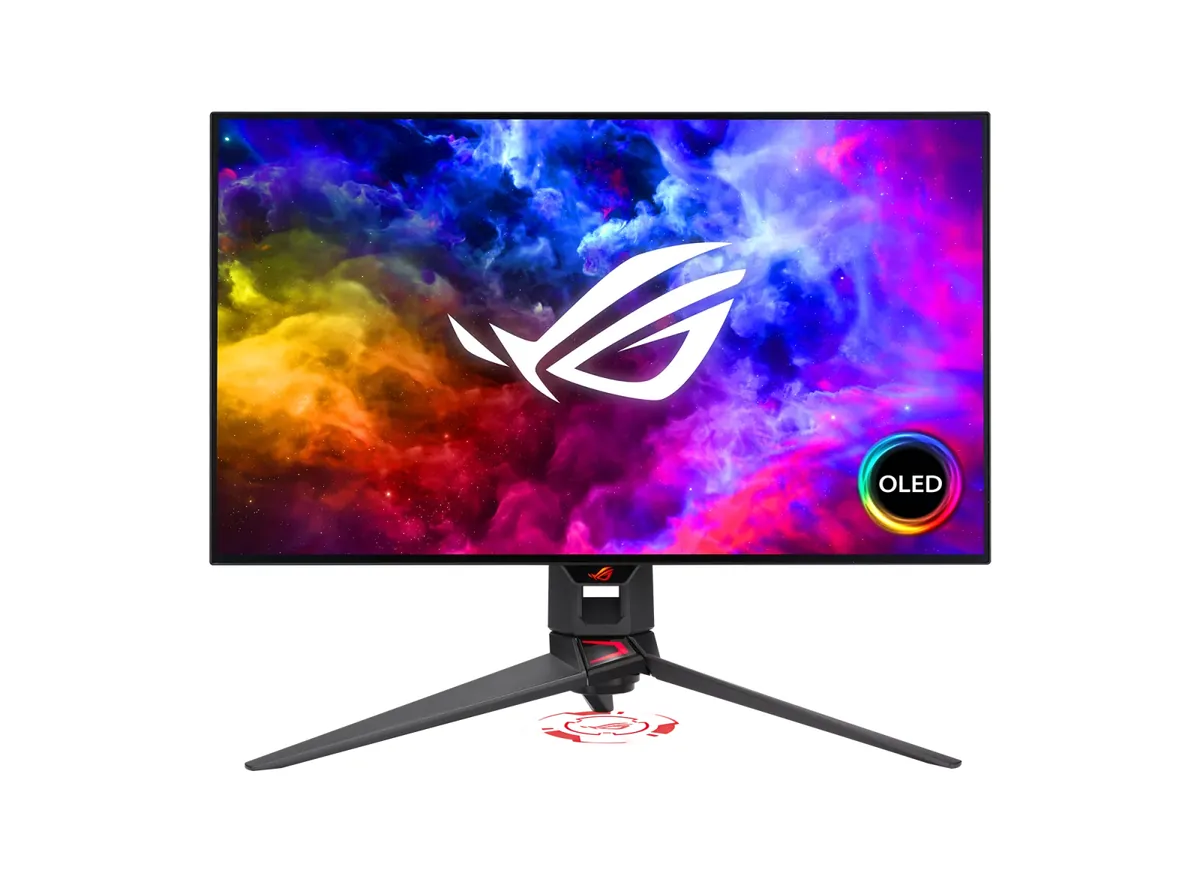
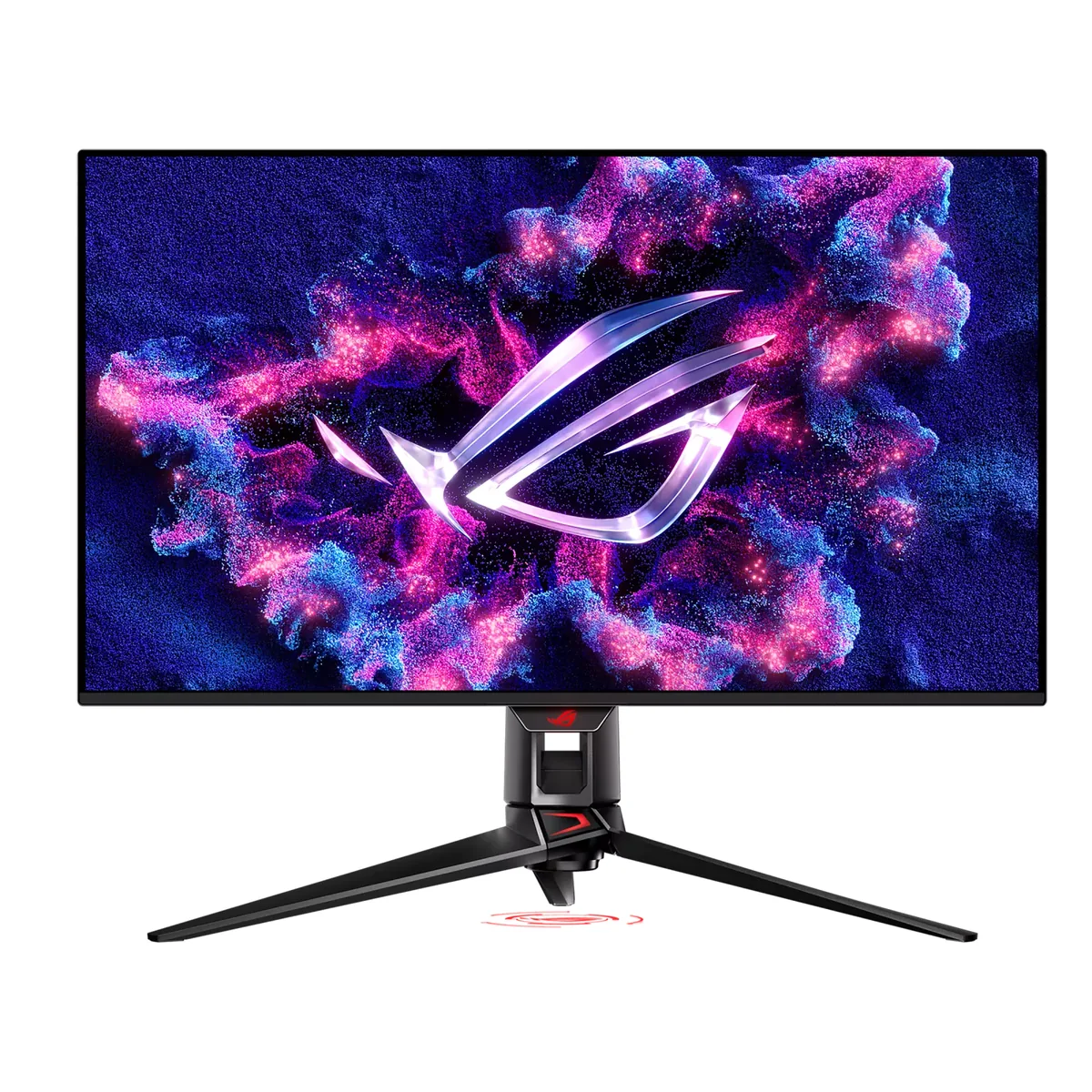
Glossy is the entire pitch here, and owners split hard on whether that was the right call. The buyers who chose it deliberately, especially people trading up from the matte-finished version of the same LG panel, write the most enthusiastic posts on the whole 27-inch OLED shelf: blacks that look genuinely black, colour that pops, and text that stopped looking fuzzy. The buyers who underestimated the coating write the opposite post, and the phrase that keeps recurring is that they could change clothes in front of it.
Day-to-day complaints cluster in two places. The first is low-frame-rate behaviour: run a game at 60 fps with variable refresh engaged and owners describe visibly wrong gamma and coarse steps in dark gradients, a trait they trace to the panel type rather than this specific model, though it was enough to send at least one monitor back. The second is the housekeeping OLEDs do on their own — brightness stepping down under panel protection, the signal dropping out when a game starts or HDR toggles, and a firmware page with two similarly-named update files that owners cannot tell apart. Reported picture faults exist but read as individual units rather than a pattern: streaks, a grey patch at one edge, compression-like blocking.
It lands best with someone who games in a room where they control the light and who wants the contrast of an OLED without paying the QD-OLED premium — the burn-in-covered warranty is cited as often as the price. Anyone shopping for a screen that sits under a window, or one that will show spreadsheets eight hours a day, gets pushed toward a matte panel by owners of this one.