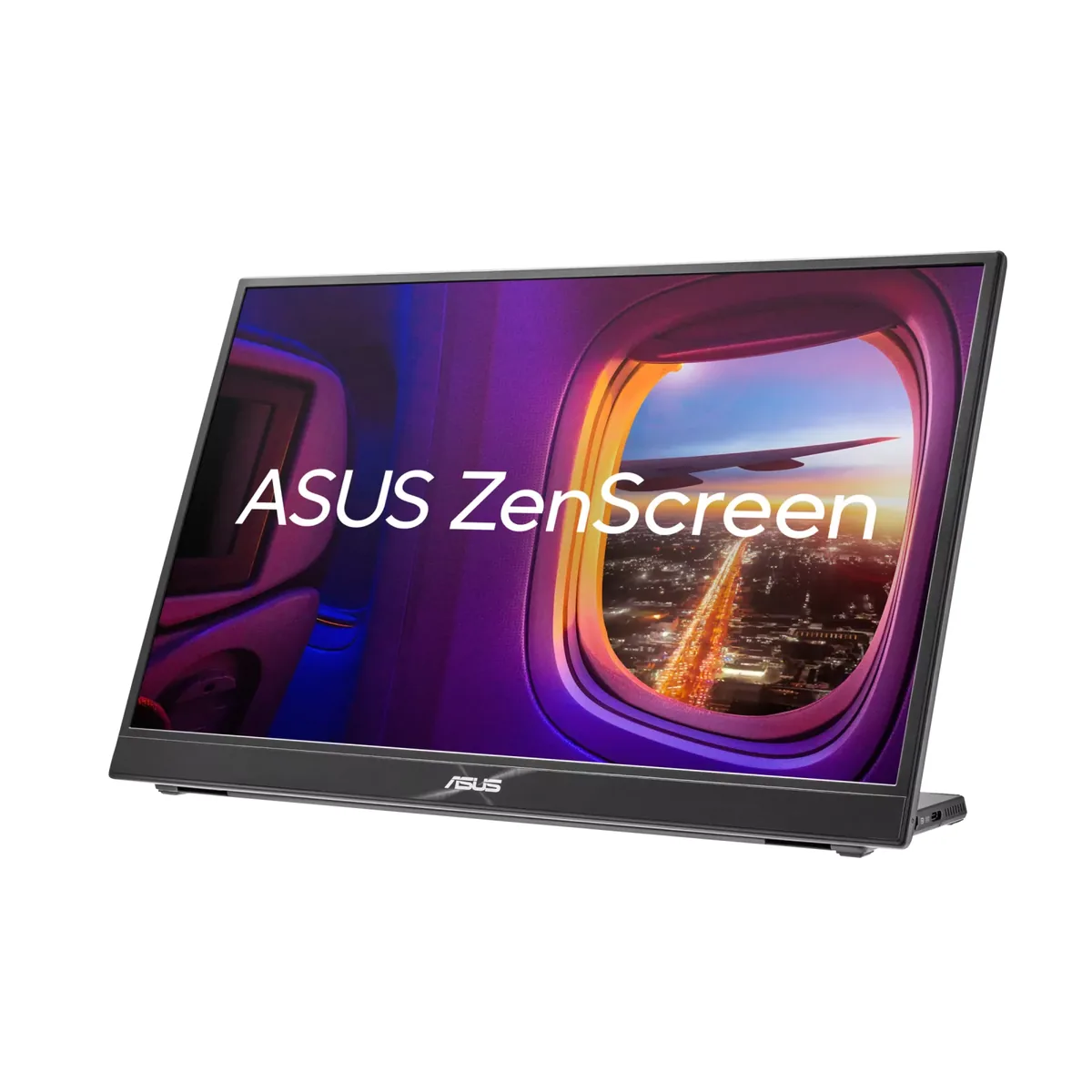
ASUS ZenScreen MB249C
23.8″ · 1920×1080 · 75 Hz · IPS
- Sharpness
- 39ppd · visible pixels
- HDR
- No HDR
- USB-C power
- 60 W
- 23.8 inches
- 60 W USB-C
- Clamp + hook included
- Console at full speed
Best for: A full-size second screen for a desk you do not keep
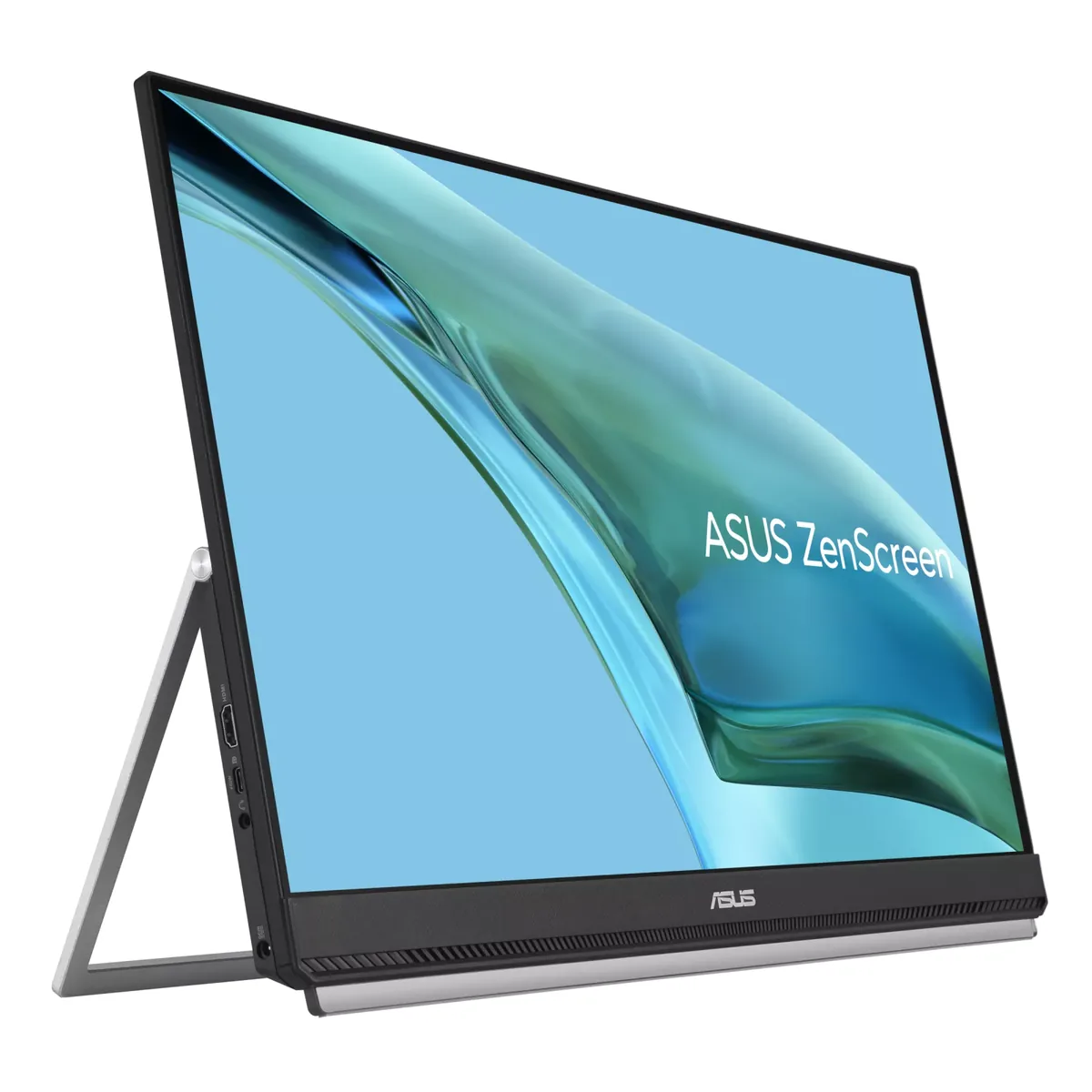
Portable~$350ASUS
Two and a half pounds, 2560×1600, 120 Hz and 500 rated nits — and the brightness is the part that matters, because most portables stop near 300 and wash out anywhere near a window. The 16:10 shape gives back the vertical space a 16:9 portable wastes, and 100% DCI-P3 means it is usable for reviewing photos on the road rather than just for spreadsheets.
Approx. price
~$350
snapshot, not a live price
Accepts an HDR signal
an edge-lit backlight with no dimming zones — HDR mode changes the tone curve, not the contrast
Port speed — can each input carry this panel?
This panel needs 14.2 Gbps at 2560×1600, 120 Hz and 24 bits per pixel, with no DSC to fall back on.
Best for: A second screen in a bag that is good enough to be the only screen
The two lists above come from the maker’s specifications and from published third-party measurements, not from owner reports. Where owner discussion has been read it appears in its own section below, so the two are never mistaken for each other.
No owner discussion has been read for the ASUS ZenScreen MB16QHG yet. This section stays empty until there is something real to put in it.

23.8″ · 1920×1080 · 75 Hz · IPS
Best for: A full-size second screen for a desk you do not keep
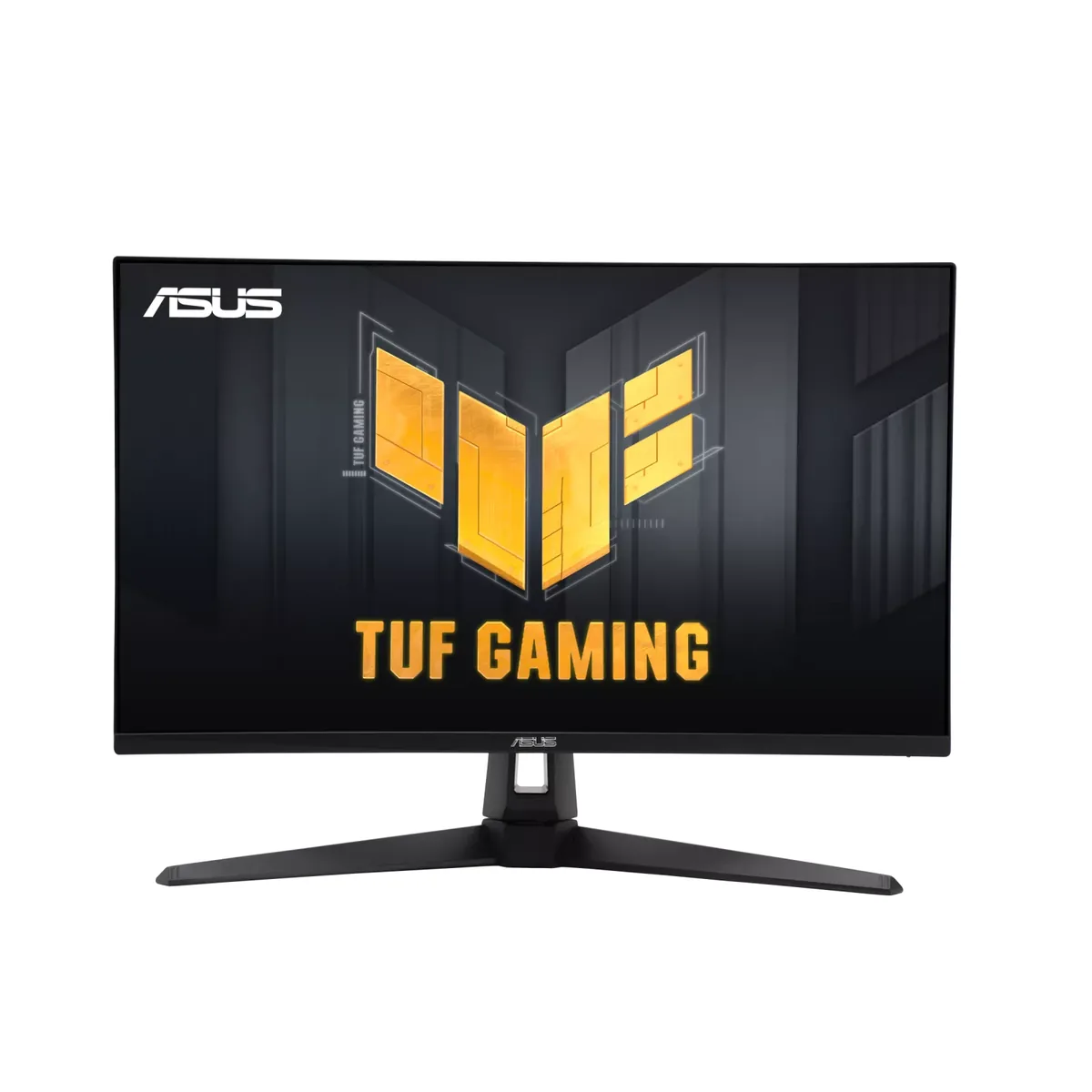
27″ · 2560×1440 · 180 Hz · Fast IPS
Best for: Motion clarity on a budget, via backlight strobing rather than raw refresh

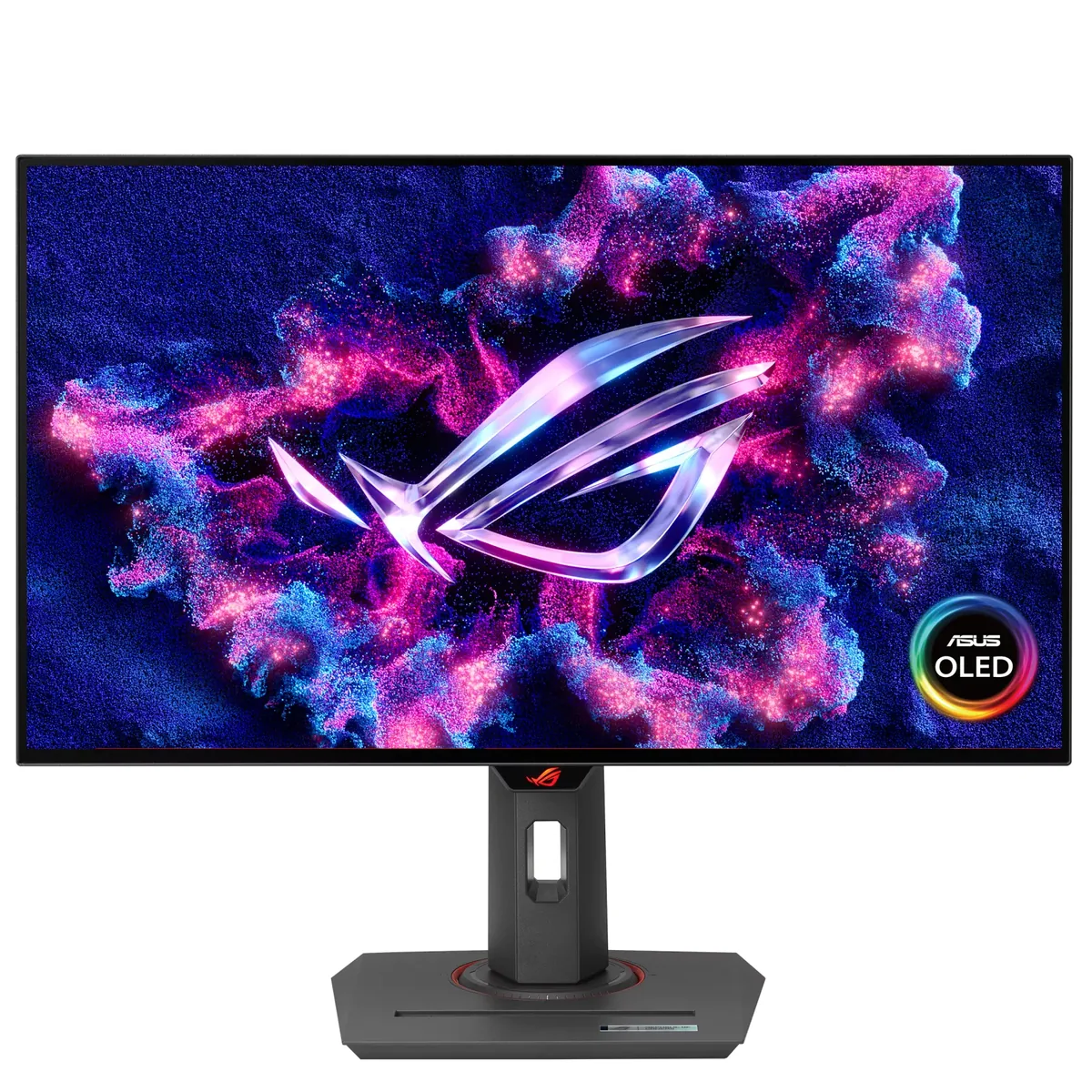
26.5″ · 2560×1440 · 240 Hz · WOLED
Best for: OLED motion at the lowest price ASUS sells it for