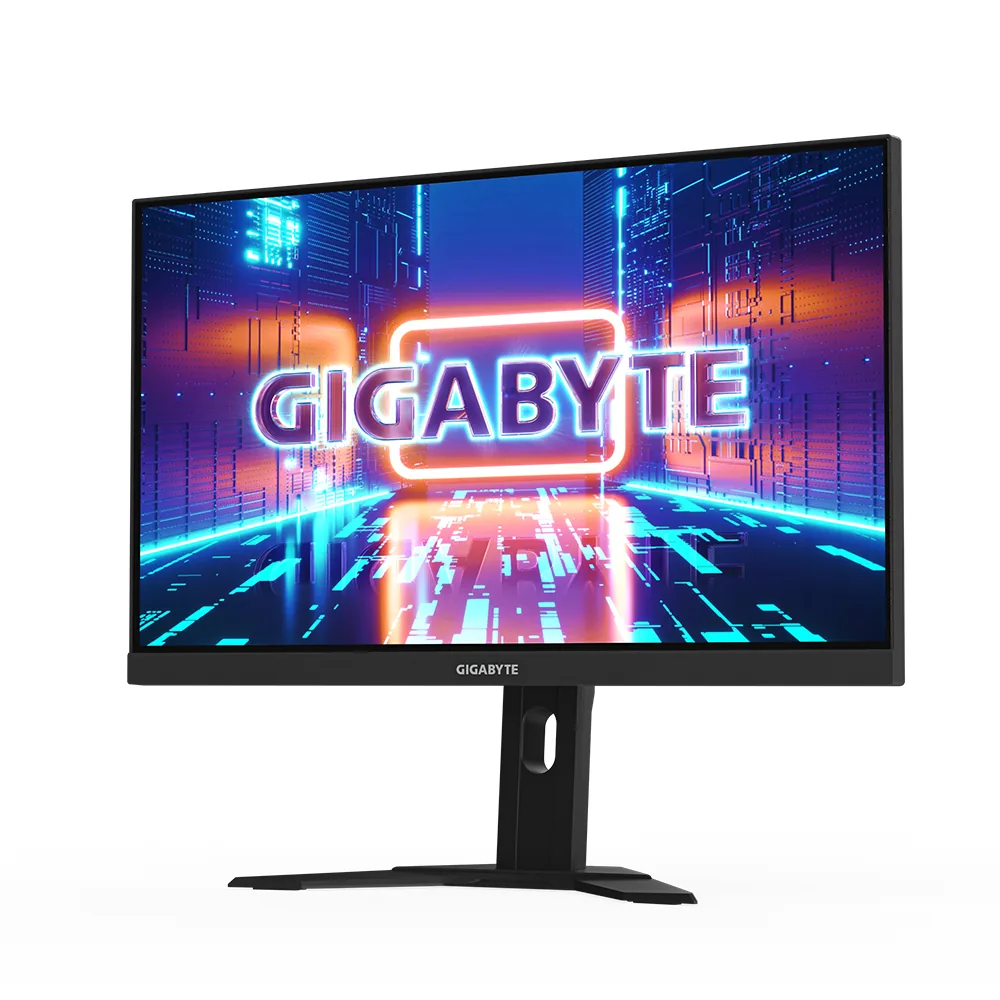
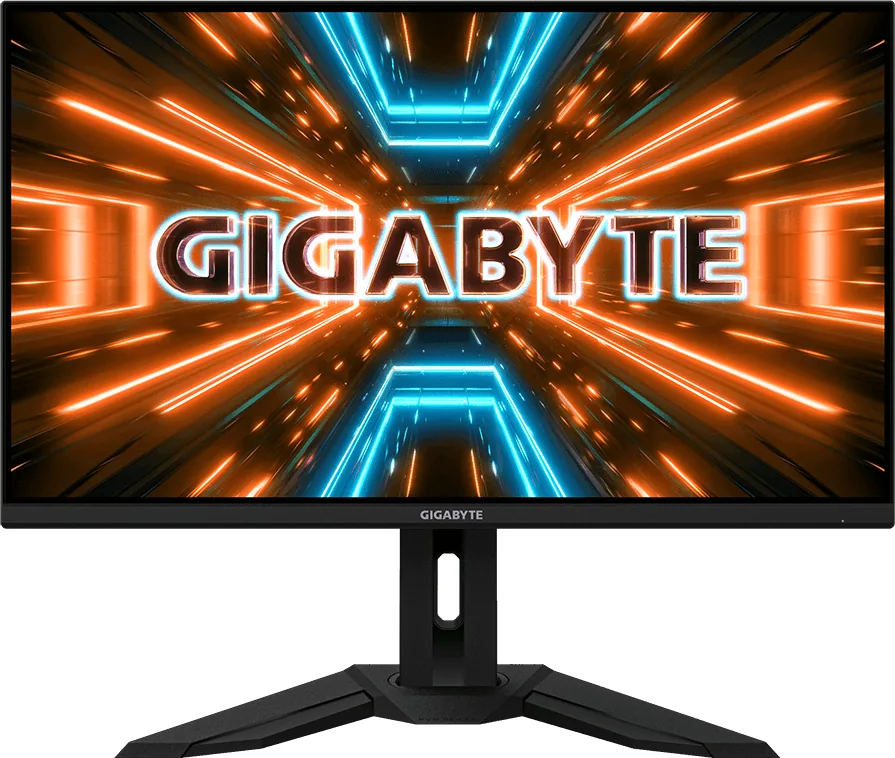
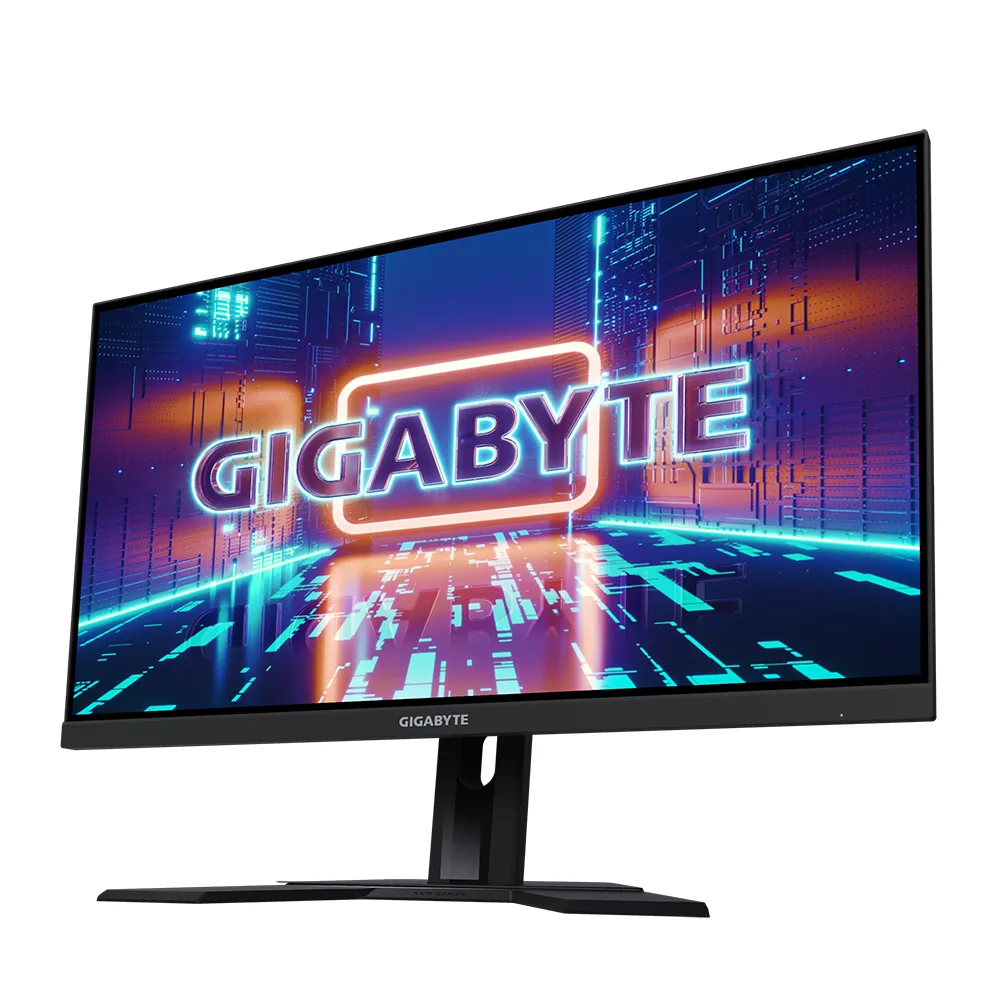
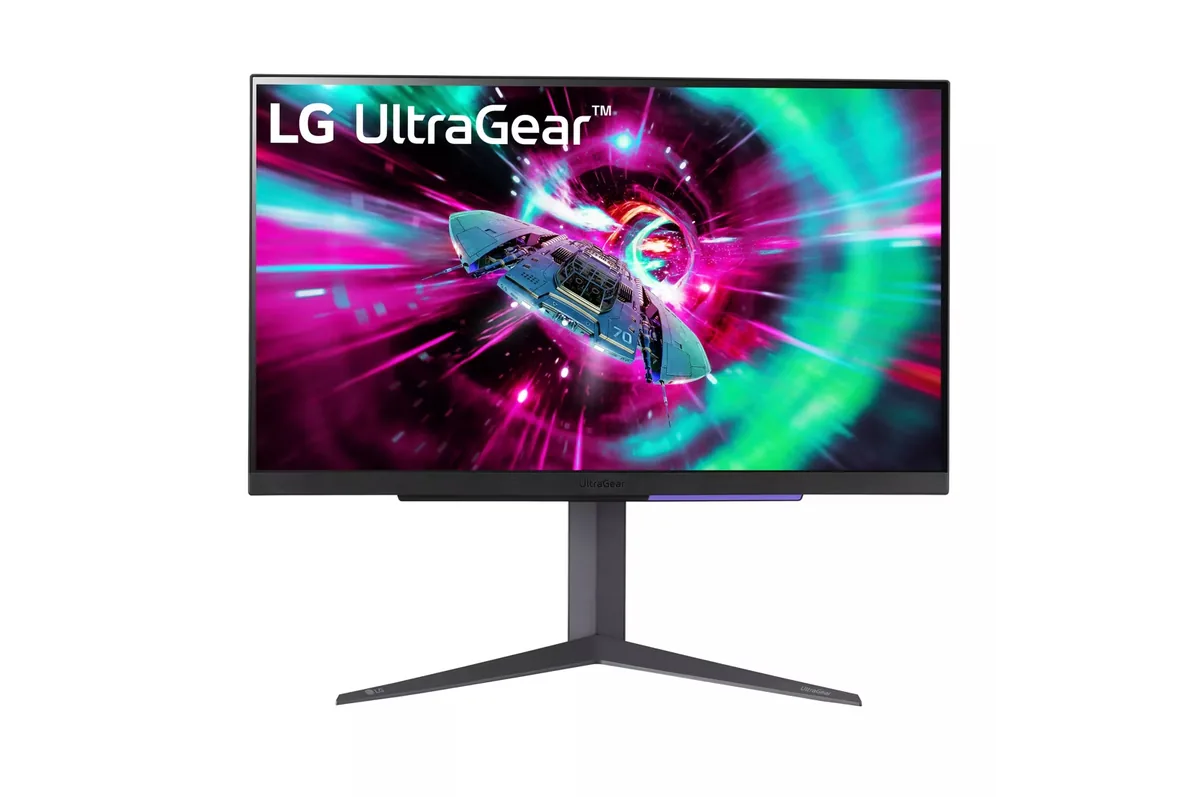
The reason this one gets recommended is money, and the recommendation is nearly automatic: anyone asking for 4K at high refresh without OLED money ends up choosing between this and a handful of near-identical MSI, Acer and AOC panels, often on whichever is cheapest that week. Owners who bought it for programming plus gaming are the happiest cohort, because 4K at 27 inches solves the text problem and 160 Hz solves the game problem in one purchase, with a KVM thrown in for the second machine.
The complaint that actually changes minds is backlight glow. The most persuasive owner post is a photograph from a developer whose bottom corners glowed red on dark backgrounds badly enough to interfere with reading code, and who only kept the monitor because the return period expired while he was deciding. Owners comparing it against the older 28-inch version of the same idea add two more specifics: this one cannot dim as far, and its colour is a shade behind, in exchange for cleaner motion without that model's uncorrectable overshoot. Setup gripes follow: a green-leaning, washed-out default picture, no desktop app for tuning, and an HDMI port that does not carry the full bandwidth the version number implies.
Buy it if the room has light in it, the work is text and the games are fast, and the budget stops at $500. If you watch films in the dark, or you code at 10% brightness, the glow and the brightness floor are the two things that will bother you — and stock outside the US is inconsistent enough that European buyers have reported paying a substantial premium or waiting months.