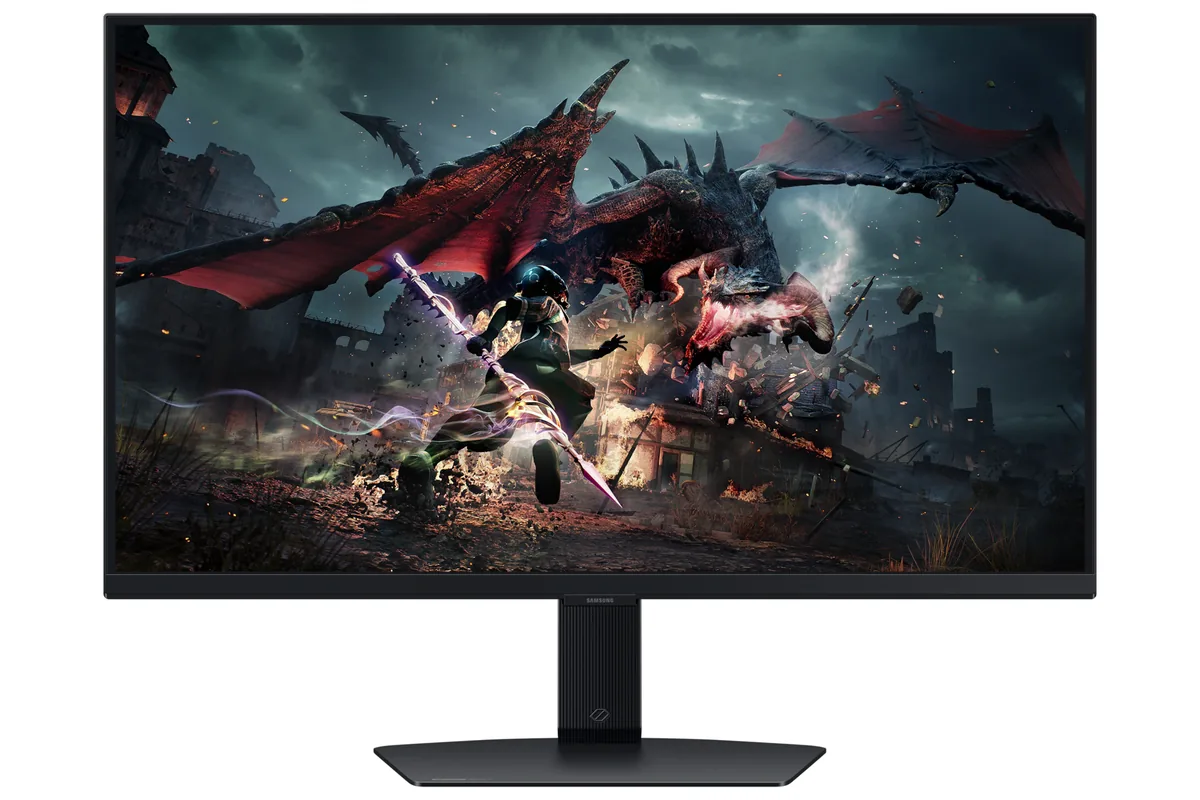
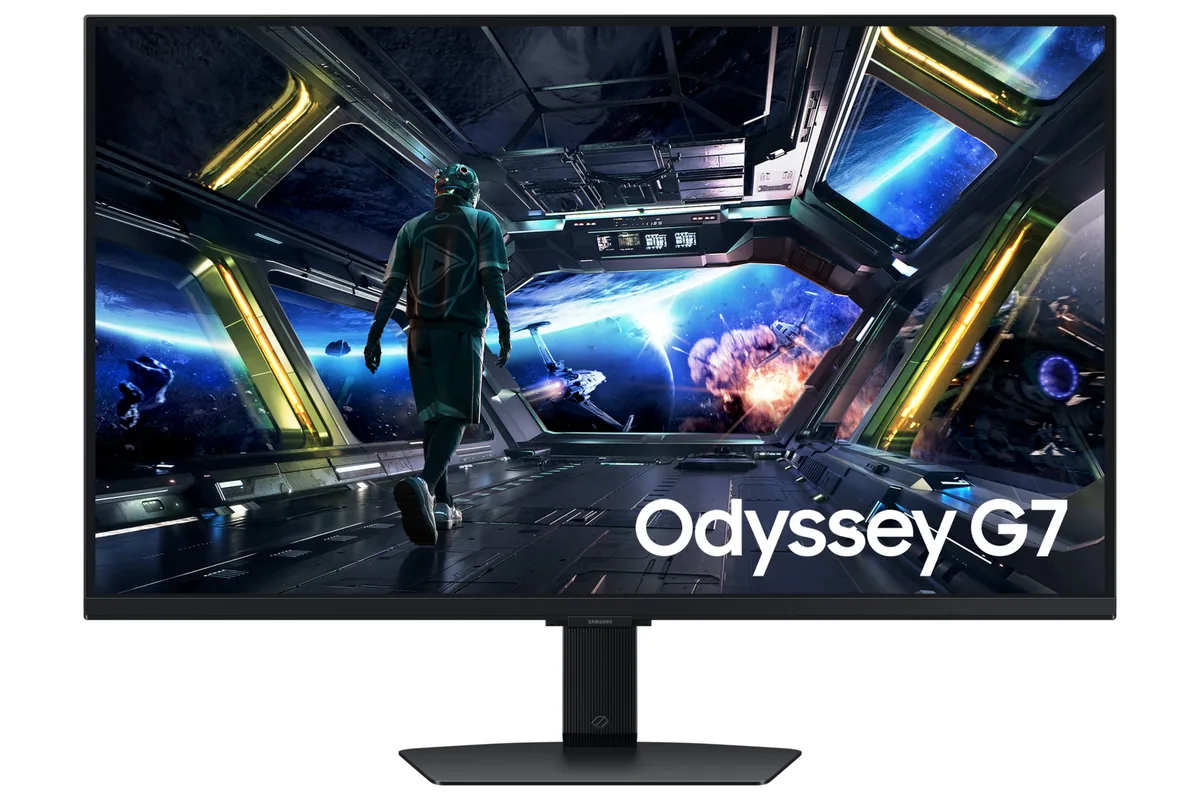
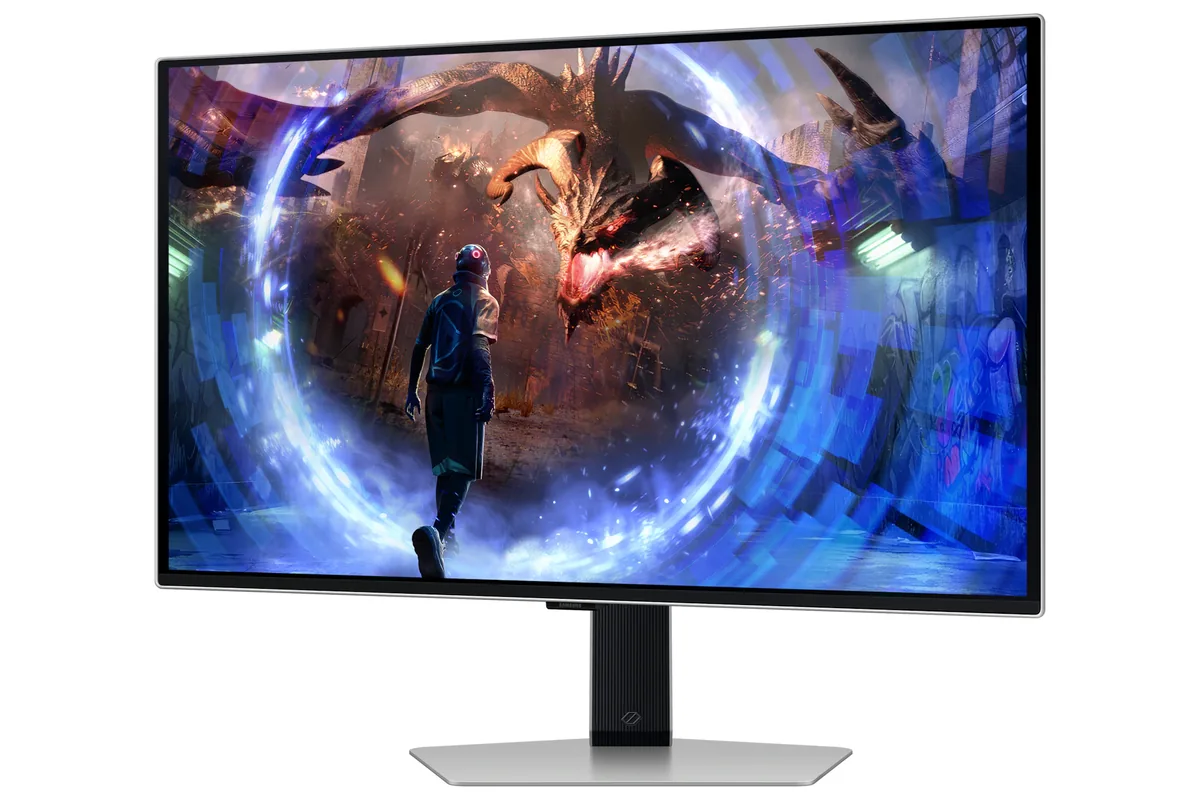
Budget 1440p shopping ends here for a lot of people, usually after comparing four monitors that cost within thirty euros of each other. At list price the case is unremarkable; at the roughly $200 owners keep reporting, it becomes the obvious answer for someone who wants 180Hz and 27 inches without thinking about it further. The person who bought one on sale and put it beside a 1080p panel is unequivocal — they love it — and the buyer who had settled for a fast 1080p Samsung and missed the sharpness of their old 1440p came straight here.
Where it disappoints, it disappoints early. Two buyers received units with visible faults, one a dead pixel and one a pink cast that appeared after a few days of normal use and could not be traced to a cable, a port or a setting. The relevant detail is not the failure rate, which nobody can establish from a handful of posts, but Samsung's five-day window for returning a defective monitor — check a full-screen colour set the day it arrives rather than the week after.
One quirk to expect if you use variable refresh: enabling it takes the refresh-rate control out of the monitor's own menu, and at least one owner lost access to 144Hz entirely as a result, left choosing between 180Hz with G-Sync or 144Hz without it. For gaming at 1440p on a mid-range card, or a pair of them for code and engine work, it is a lot of panel for the money. Anyone who needs USB-C, a hub, or documented specifications should look at the productivity ranges instead.